Hey there, ever found yourself cranking up the volume on your headphones just to tune out the road noise, a neighbor’s blaring TV, or that nonstop construction down the street? You’re not alone—noise pollution’s become such a daily headache for so many of us. Lately, I’ve been getting so many questions from folks asking about acoustic screen barriers, what they actually do, if they work, and if they’re worth the investment. As someone who’s been supplying acoustic screens for over 8 years now, I figured I’d break this down in real, no-jargon terms—no stuffy textbook definitions, promise. Acoustic Screens
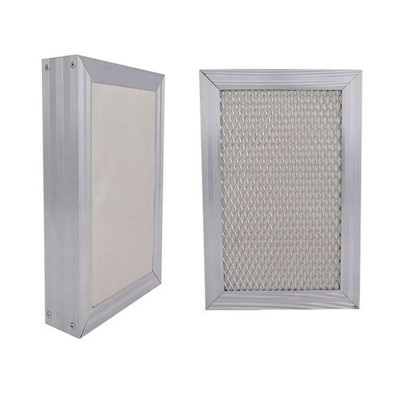
First off, let’s get one thing straight: acoustic screen barriers aren’t just those random wooden boards you might see leaning against a building at a construction site (though yeah, some of them are that). The real deal acoustic screens are purpose-built structures designed to block, absorb, or redirect sound waves before they reach your space. Think of them like a sound traffic cop—they don’t make noise disappear entirely, but they keep it from bouncing straight to where you need quiet. The best part? They’re super versatile—we’ve installed them for everything from busy highways and industrial factories to apartment complexes, schools, even big backyards where people hate hearing the neighbor’s pool party chaos.
Let’s dive a little into the science behind this, because I get why that matters. Sound travels in waves, right? Just like ripples in a pond, they spread out as they move away from the source. Acoustic screens work by two main tricks: blocking the line of sight between the noise source and the receiver, and absorbing any sound that hits the screen itself. Unlike a regular concrete wall, which might just make sound bounce back (hello, echo!), good acoustic screens have a porous, dense material on the surface—usually fiberglass, mineral wool, or a specialized acoustic foam—that soaks up those sound waves instead of letting them ricochet. The height and thickness of the screen matter too, by the way. A taller screen will block more sound because it covers more of that straight-line path between the noise and your space. Thicker screens? They absorb more of the sound that does hit them, instead of letting it seep through.
Wait, but don’t take my word for it—let’s talk about how this works in real life. A few months back, we worked with a small brewery that had a big outdoor patio right next to a busy main road. Their regulars kept complaining that they couldn’t hear each other over the honking and motorcycle noise. We installed custom acoustic screens around the patio edges—around 8 feet tall, with a dark green finish to match their brewery’s vibe so it didn’t look like an eyesore. Within a week, they told us people were staying way longer, the volume on their patio music didn’t have to be cranked, and even the employees said it was way more comfortable to work out there. That’s the magic of these things—they don’t just reduce noise; they improve quality of life, plain and simple.
Now, not all acoustic screens are created equal, which is why so many people come to us confused when they buy a cheap online one that does nothing. Let’s break down the different types you’ll run into, just so you know what to look for. First, there are permanent acoustic screens—these are the ones bolted into the ground or attached to building facades, great for highways, industrial sites, or apartment complexes that are near busy roads. They’re usually made of steel or concrete, with an acoustic core inside, and they can last 20+ years if maintained right. Then there are temporary acoustic screens, which are the ones you see at construction sites. These are portable, easy to put up and take down, and they’re designed for short-term use—like a job that’s 6 months to a year. We get a lot of contractors asking for these, because they have to keep noise levels low for nearby residents while they work.
There are also decorative acoustic screens, which are super popular lately. A lot of people think these are just for looks, but no—they work as acoustic barriers too. We’ve done ones with wooden slats, patterned metal, even ones that have climbing vines growing on them for residential backyards. A customer of ours a couple of months ago wanted a screen for his backyard because his next-door neighbor ran a home gym, and he could hear every dumbbell drop and treadmill beep. He didn’t want something ugly that stuck out like a sore thumb, so we did a custom wooden slatted acoustic screen that matched his deck. He said it cut the gym noise by about 70%—that’s huge. You don’t have to sacrifice style for function, which is a big one for most people these days.
So, how do you know if you even need an acoustic screen barrier? Let’s run through a few signs. If you’re constantly complaining about noise levels in your home or office, and moving isn’t an option, that’s a sign. If your kids can’t focus on their homework because of traffic noise outside, or you can’t sleep with the window open because of street noise? Yep. For businesses, if your customers or employees are leaving because of noise, that’s a clear sign. And for industrial sites, if you’re in violation of local noise ordinances and getting fined? That’s non-negotiable.
But wait, there are a few myths I need to bust, because I hear these all the time. First myth: acoustic screens make the area totally silent. No way—sound is tricky, and some will still go around the top or the sides of the screen, or seep through if it’s cheaply made. But they do make a massive difference—usually enough that you can actually have a conversation without yelling, or sleep through the night with the window open. Second myth: you have to have a huge permanent structure. Nope, like that backyard example I mentioned—you can get custom sizes, temporary ones for short-term jobs, even freestanding ones that don’t require any digging. Third myth: they’re super expensive. Yeah, premium custom ones can cost more upfront, but when you compare them to the cost of moving, or dealing with constant fines, or even losing customers, they’re actually a really smart investment. We work with budgets of all sizes, so we can find something that fits what you need without breaking the bank.
Another thing that people don’t always think about: acoustic screens aren’t just for blocking external noise. We’ve also installed them inside offices and warehouses to reduce echo and chatter between workstations. I worked with a call center last year where agents were complaining about being overwhelmed by background noise from other teams, leading to lower productivity and higher turnover. We installed small, freestanding acoustic screens between their desks, and within a couple of months, the productivity numbers went up and employee complaints dropped almost entirely. It’s not just for outdoors, folks—they work indoors too, if you have an open space that gets too loud.
Now, let’s talk about what goes into picking the right acoustic screen for your needs, because that’s where a lot of people go wrong. First, figure out what kind of noise you’re dealing with. Is it low, rumbly noise (like highway traffic or a factory engine) or higher-pitched noise (like people talking or construction beeps)? Different screens work better for different frequencies. Second, measure the space—how tall do you need the screen to be? How long? Do you need it to be temporary or permanent? Third, think about the look and the environment. If it’s a residential backyard, you probably want something that matches your house, not a clunky metal box. If it’s a highway, durability and visibility (wait, some screens are designed so drivers can see the road too, to prevent accidents) are more important.
At the end of the day, the whole point of acoustic screen barriers is to bring back peace and quiet to spaces where it’s been lost. I’ve seen it firsthand—from that brewery patio where regulars came back, to that dad who could finally sleep in his backyard, to that call center where agents stopped dreading their jobs. Noise pollution isn’t just an annoyance; it can hurt your health, your work, and your relationships. Acoustic screens are a practical, effective solution that doesn’t require moving or tearing down walls.
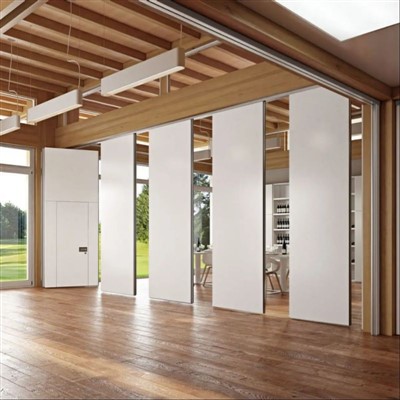
If you’re tired of noise ruining your space—whether that’s your home, your business, or a job site—we’re here to help. We don’t do one-size-fits-all solutions. We take the time to figure out exactly what kind of noise you’re dealing with, what your space looks like, and what your budget is, so we can recommend the right acoustic screen barriers for you. Whether you need temporary screens for a construction job, custom decorative ones for your backyard, or permanent ones for a commercial property, we’ve got you covered. Don’t let noise take over any more—reach out to us to chat through your needs, and we’ll help you get back the quiet you deserve.
Acoustic Office Booth References:
- Noise Pollution: A Major Health Hazard, World Health Organization, 2018
- Acoustic Barriers: Principles and Applications, Journal of Sound and Vibration, 2020
- Residential Noise Mitigation: Effective Strategies for Urban Areas, Noise Control Engineering Journal, 2021
Guangzhou MQ Acoustic Materials Co., Ltd.
Guangzhou MQ Acoustic Materials Co., Ltd. is one of the most professional acoustic screens manufacturers and suppliers in China, featured by quality products and low price. Welcome to buy CE approved acoustic screens in stock here and get quotation from our factory. We also accept customized orders.
Address: Room D306, KeZhu Business Building, ZhuJi Road, TianHe District, GuangZhou, China
E-mail: sales002@mq-acoustics.com
WebSite: https://www.acoustic-projects.com/
