If you’re running a power grid, industrial facility, or even a large commercial building, you rely on your gas insulation cabinets (GICs) to keep everything running smoothly. I’ve been supplying these bad boys for over 10 years now, and one question I get more than any other is: “How often do I actually need to inspect them?” Gas Insulation Cabinet
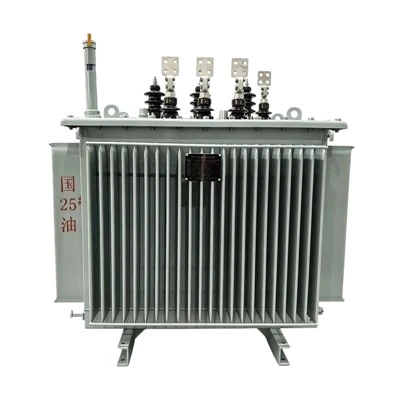
I get it—you’re busy. You don’t have time to schedule random inspections, throw money at unnecessary service, or shut down parts of your operation when you don’t have to. But skip a critical check, and you could be dealing with a leak that causes power outages, safety hazards, or even costly equipment replacements. That’s the last thing any of us want, right?
Let’s break this down. No two GIC setups are exactly alike, so there’s no one-size-fits-all answer. But I’ve seen enough systems (both well-maintained and totally neglected) to lay out a framework that works for most people.
First, let’s start with the basics. What’s a GIC, again? For anyone who’s new here: it’s a metal cabinet filled with pressurized gas—usually sulfur hexafluoride (SF6) sometimes, depending on the model, newer eco-friendly alternatives now too. That gas insulates the electrical parts inside, so they don’t short out, arc, or cause big problems. The gas tightness is non-negotiable here. Even a tiny leak can reduce insulation, lead to overheating, or, in the worst cases, electrical faults that take down whole sections of your facility.
Now, back to inspections. When we talk about frequency, we need to consider three big factors: the age and condition of your cabinets, how hard they’re working, and the environment they’re in. Let’s go through each.
New vs. Old GICs: Don’t Treat Them the Same
If you just installed brand-new GICs from our team (shoutout to our production line—we test every single unit three times before it leaves the warehouse), your first few years of inspections are way more frequent. New equipment has that “new part” kink period, right? Seals might break in, connections might settle, and you want to catch any small leaks before they turn into big ones.
For the first 5 years, I recommend annual inspections. These don’t have to be full tear-downs—we can do remote checks with our portable gas analyzers, or even a simple pressure test. I’ve seen new systems develop a leak in a weld 18 months in that would’ve gone unnoticed if someone waited 3 years. By year 5, if everything is holding steady—pressure is consistent, no weird electrical readings, no visible damage—you can stretch that to every 2 years.
Now, if your GICs are over 10 years old, that’s when you need to step up the checks. SF6 (the old-school gas) breaks down a tiny bit over time, and seals degrade with age. Even if you haven’t had a problem, every 18 months is a sweet spot here. I had a customer last year with 12-year-old cabinets who skipped an inspection, and a seal failed. He lost power to his warehouse’s cooling system for 8 hours—cost him $40k in spoiled inventory. One quick pressure check would’ve caught that before it got bad.
How Hard Are Your GICs Working?
Next factor: load. If your GICs are sitting in a basement powering a small office building, they’re not under much stress. But if they’re in a busy manufacturing plant where the lines run 24/7, or at a data center that can’t afford a single outage? That’s a different story.
High-load environments mean the electrical components inside are heating up and cooling down constantly. That expansion and contraction puts extra pressure on the gas seals and cabinet joints. I tell customers with heavy, continuous loads to do a quick pressure check every 6 months, plus a full inspection every year. The quick checks are cheap, take 15 minutes, and let you catch a leak before it gets severe.
On the flip side, low-load, stable systems (like GICs powering a handful of retail stores in a quiet suburban area) can go longer. Every 2-3 years is fine here, but even then, don’t skip the annual visual walkaround—make sure there’s no rust, no cracked panels, no signs of rodents chewing wiring (those little guys love nesting in cool, dark cabinets). I’ve seen more cabinets fail from rodent damage than gas leaks, trust me.
Environment Matters A Lot
Last big factor: where your GICs are located. If they’re inside a climate-controlled room, away from the elements, they’re gonna last longer with fewer checks. But if they’re outdoors, exposed to rain, snow, extreme heat, or salt air (think coastal areas or roads with winter salt)? That’s a tough spot.
Extreme temperature swings make the gas expand and contract, which stresses seals. Salt air eats away at metal joints, leading to leaks. Outdoor GICs in harsh conditions need inspections every year, no exceptions. I had a customer in Florida a few years ago whose outdoor cabinets were near the coast—salt air corroded a valve that no one checked for 2 years. By the time they found it, 20% of the SF6 gas was gone, and the GIC was at risk of failing during hurricane season. That’s a nightmare scenario no one wants.
What about indoor GICs in dusty areas? Like a factory with lots of particulate matter floating around. Dust can build up on the insulation parts inside, leading to overheating. Even if the gas pressure is good, you might need a quick visual inspection every year to clean out dust. That’s way cheaper than replacing a fried circuit.
What Counts as an Inspection, Anyway?
Wait, let’s get specific. A lot of customers call me and say, “We just check the pressure gauge on the cabinet—isn’t that enough?” No, not really. The pressure gauge can tell you if the gas is low, but it can’t tell you why it’s low. Is it a tiny leak that’s getting worse, or just a faulty gauge? That’s why you need actual testing.
A proper inspection should include:
- A pressure test (with a calibrated tool, not just the cabinet’s gauge) to check for leaks.
- A visual check for physical damage: rust, dents, cracked seals, loose wiring.
- For older systems: testing the gas quality. Over time, gas breaks down into byproducts that can reduce insulation.
- A check of the electrical connections to make sure nothing is arcing (that’s when you might hear a weird hum or see tiny sparks inside the cabinet—something you can’t see with just a pressure gauge).
We offer all these inspections as part of our service for customers who buy GICs from us, but even if you didn’t get yours from us, we can help you with a professional check.
Common Mistakes I See
Let’s talk about the stuff that trips people up. First, waiting too long after a small pressure drop. If your gauge shows 10% below normal, don’t just top off the gas and forget it. That’s a sign of a leak. You need to find it and fix it before it gets bigger.
Second, using generic inspectors who don’t know GICs. These cabinets aren’t like regular electrical panels. They have pressurized gas that can be dangerous if you don’t handle it right. Always use someone who’s trained on gas insulation technology—we train all our service techs, and most electricians we work with are too.
Third, forgetting about eco-friendly gas options. A lot of new GICs use C4-FN or other alternatives to SF6, which is better for the environment but has its own quirks. Inspections for these might be a little different, so don’t assume the same schedule works. Ask your supplier, like us, for specific guidance if you switched to green gas.
So What’s the Bottom Line?
To sum it up, here’s a rough guide to follow:
- New GICs (less than 5 years old): Annual inspections, stretching to every 2 years if all checks are good.
- Older GICs (5+ years): Every 18 months, or every year if high load, harsh environment, or outdoor.
- Low-load, indoor, climate-controlled GICs: Max 3 years between full inspections, plus quick pressure checks every year.
Again, this is a flexible framework. If you notice any weird signs—unusual noises, higher energy bills, power dips—don’t wait for your scheduled inspection. Call us right away. I’d rather come out for a quick check and confirm everything’s fine than have you dealing with an outage.
Next Step?
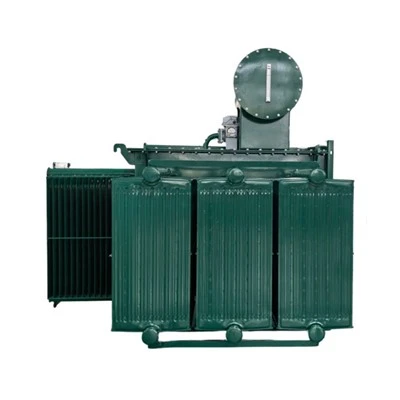
If you’re not sure what your inspection schedule should be, or you need help setting up a maintenance plan for your GICs, reach out. We’ve worked with small businesses and big industrial facilities alike, and we can tailor a plan that fits your needs and budget. No hard sells, no confusing jargon—just honest advice from people who’ve been in the game for years.
Power Transformer References
- International Electrotechnical Commission (IEC) 62271-203: High-voltage switchgear and controlgear – Part 203: Gas-insulated metal-enclosed switchgear for rated voltages above 1 kV.
- U.S. Occupational Safety and Health Administration (OSHA): Safety Standards for Electrical Equipment in Industrial Settings.
- Electric Power Research Institute (EPRI): Gas Insulated Substation Maintenance and Performance Guidelines.
Zhejiang Tianrun Electric Co., Ltd.
Zhejiang Tianrun Electric Co., Ltd. is one of the most professional gas insulation cabinet manufacturers and suppliers in China, featured by quality products and good price. Please feel free to buy CE approved gas insulation cabinet made in China here and get quotation from our factory. We also accept customized orders.
Address: No.788 Wenyi Road, Bihu Industrial Park, Liandu District, Lishui City, Zhejiang Province, P.R. China
E-mail: luna@trne-electric.com
WebSite: https://www.trne-electric.com/
