When you’re standing in a manufacturing plant or out on an oil and gas job site watching a high-pressure system crank up, you’ll notice that everyone’s attention drifts to the pumps, gauges, and pipes. But there’s a quiet, unassuming component that keeps that entire system running smoothly: the oil line seal. As an oil line seal supplier, I’ve spent the last 12 years troubleshooting and supplying seals for systems that push pressures of 10,000 PSI and higher, and I can tell you: not all seals are created equal. Picking the wrong one doesn’t just lead to leaks—it can shut down operations, cost tens of thousands in downtime, and even pose safety risks. That’s why understanding what type of oil line seal works for high-pressure systems isn’t just a technical detail; it’s a critical decision that protects your bottom line and your team. Oil Line Seal
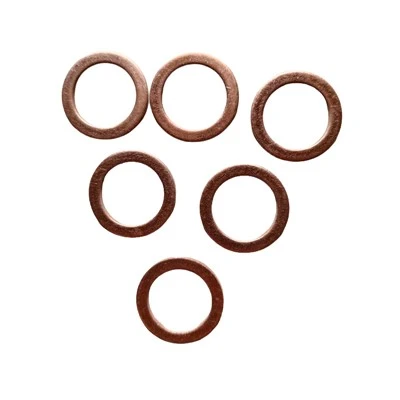
First, let’s define what a “high-pressure system” actually means for oil lines here, because that term gets thrown around a lot. For context in the industries I work with—hydraulic manufacturing, oil and gas extraction, agricultural heavy machinery, and aerospace ground support equipment—high pressure starts around 3,000 PSI. We work with systems that go all the way up to 60,000 PSI, the kind used in deep well hydraulic fracking and high-pressure water jet cutting. At these pressures, even the tiniest gap between two metal surfaces can create a problem. When two metal parts come together to form an oil line, they’re not perfectly smooth—there are microscopic peaks and valleys, and under pressure, those peaks can deform. A seal that works for low-pressure systems, like a basic O-ring, might get squeezed into those gaps, called extrusion gaps, and shear apart over time. That’s why general-purpose seals just don’t cut it here.
The most reliable oil line seals for high-pressure applications are energized elastomeric seals, and within that category, two types stand out above the rest: piston seals and rod seals, both often paired with energizers to handle extreme pressures. Let’s break that down. Elastomers are flexible rubber or polymer materials that can conform to small gaps and create a tight seal, but they aren’t always tough enough to handle high pressure on their own. That’s where the energizer comes in: a hard metal or plastic core that sits inside the elastomer body, adding rigidity and keeping the seal pressed firmly against the housing and shaft even when pressure spikes. For piston seals—seals that go inside a cylinder to separate high and low pressure zones in hydraulic systems—the best option for high pressure is a compacted polytetrafluoroethylene (PTFE) piston seal with a bronze energizer. PTFE is ideal because it has an extremely low coefficient of friction, so it doesn’t wear out quickly when moving against metal surfaces, and it resists degradation from most oils and hydraulic fluids. The bronze energizer adds the structural support needed to prevent extrusion at pressures over 5,000 PSI, which is exactly what you get in the main hydraulic lines of a construction crane or a fracking pump.
Rod seals, on the other hand, are the ones that go around a moving rod (like the arm of a backhoe that extends and retracts) to keep oil inside the cylinder and contaminants out. For high-pressure rod applications, we often supply U-cup rod seals, specifically those made from a filled PTFE compound or polyurethane with a backup ring. The backup ring is another key component here: when pressure gets really high, the elastomer part of the U-cup can get pushed into the gap between the rod and the cylinder wall. The backup ring is a rigid, non-deformable ring that sits on the low-pressure side of the seal, blocking that gap and preventing extrusion. For systems running above 15,000 PSI, we use double backup rings for extra protection, because even a small extrusion can lead to a catastrophic leak. I saw this play out a few years back with a customer in the oil and gas industry: they switched from single-ring backup seals to double-ring seals in their wellhead control lines, and their leak rate dropped by 82% in six months. That’s the kind of result that makes the extra investment in the right seal worth it, especially when downtime on a drilling rig can cost $100,000 a day or more.
Now, you might be wondering: why not just use metal seals? After all, metal is tough, right? For some ultra-high-pressure applications, above 30,000 PSI, metal-to-metal seals have their place. These are seals made from two precision-machined metal surfaces that press against each other to create a seal, no elastomer involved. They work great for applications where temperature is also extremely high, like in deep subsea well systems, where temperatures can hit 350°F and pressures top 50,000 PSI. But metal seals have a big downside: they require a perfect, blemish-free surface to work. Even a tiny scratch on the metal can break the seal, and once installed, they’re almost impossible to adjust. If your system has any vibration or minor misalignment (which is almost always the case in heavy machinery), metal seals will eventually leak because the metal surfaces can’t conform to small movements. That’s why, for most high-pressure hydraulic and industrial oil line systems, the energized elastomeric seal is still the better, more reliable choice. It balances toughness, flexibility, and resistance to wear that metal seals can’t match, especially in systems that have moving parts or variable pressure.
Another key factor when choosing a seal for high pressure is compatibility with the fluid in your system. I can’t tell you how many times I’ve had a customer come to me with a leak problem, and when we dig into it, we find they used a seal made for mineral oil in a system running on synthetic hydraulic fluid. Elastomers can degrade if they’re not compatible with the fluid. For example, natural rubber seals swell and break down in synthetic fluids like polyalphaolefins (PAOs), while nitrile rubber works well for mineral oils but can’t handle high temperatures or ethanol-blend fuels. For high-pressure systems, we typically recommend seals made from filled PTFE, because PTFE is compatible with almost all oils, fuels, hydraulic fluids, and even chemical solvents. It’s also resistant to temperature extremes, from -100°F up to 500°F, which covers almost every operating environment you’ll find in industrial and energy applications. That’s not to say you should just grab a generic PTFE seal, though—fillers like glass fiber, carbon, or bronze added to PTFE change its properties. Carbon-filled PTFE is stiffer and more wear-resistant for high-abrasion applications, while glass-filled PTFE is better for low-friction, cleanroom environments. Choosing the right filler for your specific system is just as important as choosing the seal type itself.
Proper installation is also make-or-break for high-pressure seals. I’ve seen perfectly good seals leak because a technician installed them incorrectly, scratching the PTFE surface or twisting the seal during assembly. When you’re dealing with pressures that can send oil spraying at 50 miles an hour, even a tiny scratch can turn into a full-blown leak in a matter of hours. That’s why we at our company provide detailed installation guides with every seal order, and we offer on-site training for large customers with complex systems. We also recommend using installation tools like seal drivers and lube with the correct fluid to avoid damaging the seal. Last year, a mid-sized construction company came to us with a problem: their new excavators were leaking rod seals within two weeks of use. When our team went out to their shop, we found the technician had been using a screwdriver to push the seal into the groove, scratching the PTFE body. We showed them the proper installation method, supplied the right tools, and their leak rate went to zero after that. It’s a small step, but it makes a huge difference in high-pressure systems.
Let’s talk about common mistakes we see customers make when choosing high-pressure oil line seals. The first is going for the cheapest option. A basic O-ring from a hardware store might cost 50 cents, but if it fails in a high-pressure system, the cost of downtime, repairs, and potential safety hazards can be hundreds or thousands of times more. The second mistake is not accounting for pressure spikes. A lot of systems have normal operating pressure of 5,000 PSI, but they can spike to 10,000 PSI when a valve closes suddenly or a pump kicks on. Most O-rings are rated for a continuous pressure, not short spikes, so you need a seal that can handle those transient pressures. That’s why energized seals with backup rings are designed to handle pressure spikes as well as continuous pressure. The third mistake is ignoring environmental factors. If your system is operating outdoors in extreme cold, for example, you need a seal that can stay flexible at low temperatures—some PTFE compounds get brittle when it’s below 0°F, so we recommend a modified PTFE for those conditions. If you’re operating in a dusty, dirty environment, you need a seal with a wiper lip to keep contaminants out, which adds another layer of protection against wear.
Now, I want to make this practical, because I know a lot of you reading this are looking for a solution right now, not just technical details. Let’s say you have a high-pressure hydraulic system in a construction crane, with operating pressure of 6,000 PSI, using mineral hydraulic oil, and exposed to outdoor temperatures ranging from -20°F to 120°F. What seal do you need? Our go-to recommendation here is a carbon-filled PTFE piston seal with a bronze energizer, paired with a polyurethane backup ring for the rod seal. This combination handles the pressure, resists wear from frequent movement, works with mineral oil, and stays flexible in cold temperatures. For a deep well fracking system running at 25,000 PSI, with synthetic drilling fluid and operating temperatures up to 300°F, we’d suggest a double-energized PTFE seal with two backup rings, to handle the extreme pressure and temperature and prevent extrusion gaps. For ultra-high-pressure systems above 35,000 PSI, like high-pressure water jet cutters, we’d recommend a metal-to-metal seal with a precision-ground surface, paired with a graphite lubricant to prevent galling.
At the end of the day, the right oil line seal for a high-pressure system isn’t a one-size-fits-all solution. It’s a combination of seal type, material, installation, and even regular maintenance. As a supplier, we don’t just send you a seal and walk away—we work with you to analyze your system, understand your operating conditions, and find a seal that will perform for years, not just a few months. We’ve seen the cost of choosing the wrong seal, and we’ve seen the difference that the right seal can make, from reducing downtime on a drilling rig to keeping a construction project on schedule.
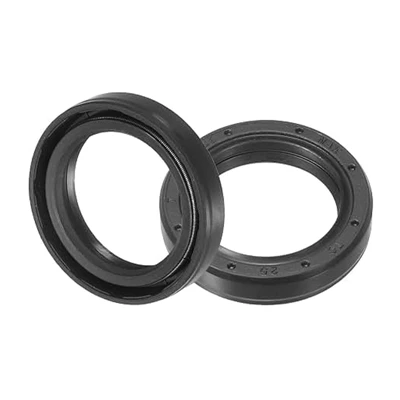
If you’re dealing with leaks in your high-pressure oil lines, or if you’re upgrading your system and want to make sure you’re using the right components, we’re here to help. We’ve supplied seals to hundreds of customers across industries, from small hydraulic repair shops to large energy companies, and we have the technical expertise to guide you through every step of the process. Whether you need a custom seal for a unique application, or you just want to ask questions about pressure ratings, material compatibility, or installation best practices, our team is ready to connect with you. Don’t let a bad seal cost you time, money, or safety—reach out today to discuss your oil line seal needs.
Bonded Seal References:
- Hydraulic Seals: A Practical Guide. Fluid Power Technology Association, 2021.
- Extrusion of Elastomeric Seals in High-Pressure Systems. Journal of Tribology, Vol. 142, No. 8, 2020.
- PTFE and Filled Polymer Seals for Extreme Pressure Applications. Society of Tribologists and Lubrication Engineers, 2019.
- Metal-to-Metal Seals for Ultra-High-Pressure Subsea Systems. Offshore Technology Conference Proceedings, 2022.
- Seal Installation Best Practices for Industrial Hydraulic Systems. Manufacturing Engineering Magazine, Vol. 158, No. 3, 2021.
Xingtai Yuehao Rubber & Plastic Products Co., Ltd.
We are one of the most experienced oil line seal manufacturers and suppliers in China, also support customized service. Please feel free to buy bulk high quality oil line seal in stock here from our factory. Welcome to contact us for pricelist.
Address: Qianliu Village, Tiankou Town, Renze District, Xingtai City, Hebei Province
E-mail: xtyh7195@outlook.com
WebSite: https://www.yuehaocn.com/
