When I was a sales rep at a release paper plant, I got a text from my little cousin last March that stopped me mid-drive to a customer meeting. “Saw release paper on a skincare product label—can I use it to wrap my face for a mask? I thought it was just for sticky stuff,” she wrote. That question stuck with me because I’d spent five years loading rolls of release paper onto trucks for tape, packaging, and even the back of band-aids, but I’d never stopped to break down exactly how safe it is when it touches skin. It’s not a black-and-white answer, and as someone who’s worked with this material day in and day out, I want to pull back the curtain on what release paper actually is, what makes it touch skin differently, and how we as suppliers and product makers make sure it’s not a risk. Release Paper
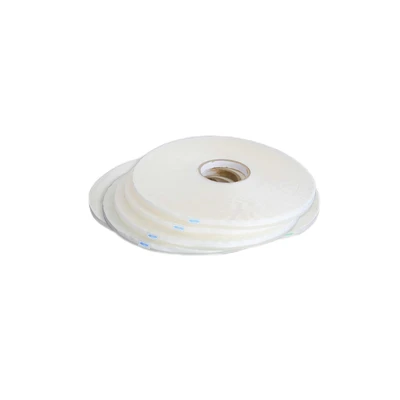
First, let’s clear up what release paper is, because a lot of people lump it all together like it’s one plain piece of paper. At its core, release paper is a base paper coated with a thin, non-stick layer—usually silicone, sometimes other polymers, depending on what it’s meant to peel away from. Think of it like the sticky side of a Post-it Note, but scaled up for industrial or consumer products: it’s there to keep an adhesive (say, the glue on a band-aid, the sticky part of a label, or even the gel in a facial mask) from sticking to the wrong thing before you use it. Not all release paper is created equal, though, and that’s where the safety conversation gets specific. A roll meant for shipping construction tape is way different from one made for a disposable face mask, and that’s not just a marketing line—it’s about every layer of the material.
When we talk about skin contact, the biggest concern is what’s called migration: small molecules from the release coating or base paper moving out of the material and onto skin. Skin is pretty good at blocking most things, but if a product is meant to sit on skin for 10 minutes (a mask) or be peeled off gently after use, those tiny leachables matter. Early in my career, I saw a batch of release paper get rejected because our quality control team tested the silicone coating and found trace amounts of unreacted monomers—those are the leftover building blocks from making the silicone, and they can irritate sensitive skin if they’re not fully cured. Most regular industrial release paper for packaging doesn’t get tested for that kind of skin exposure, so if a maker tried to use it for a skincare product, they’d be rolling the dice.
I’ve worked with three main types of release paper that see skin contact, so let’s break each down and what makes them safe. The first is what we call medical-grade release paper. This is the stuff used for band-aids, surgical tape, wound dressings, and even the backing of transdermal patches (like nicotine or birth control patches that stick to your skin). For this grade, the silicone coating is cured at super high temperatures to eliminate almost all unreacted monomers, and the base paper is often bleached without harsh chemicals that could leach onto skin. I’ve visited a medical device plant that does these tests in-house: they place small squares of release paper on guinea pigs’ skin for 24 hours, check for redness or irritation, and send samples to third-party labs to test for lead, phthalates, and other restricted substances. That’s non-negotiable for medical use, because it’s touching damaged or delicate skin, and it’s regulated by FDA and EU standards.
The second type is consumer skincare release paper. This is what my cousin saw on that facial mask—many disposable sheet masks use a thin layer of non-woven fabric or thin paper that’s covered with a light release coating to keep the mask from sticking to its own wrapper. This is a middle ground, not as strict as medical grade, but still tested for skin safety. A lot of people assume the silicone in these is bad, but most modern skincare release papers use a low-migration silicone coating, meaning almost none of it transfers onto the mask or your skin. I remember a few years ago, we got a complaint from a small beauty brand that said a batch of their masks had a “funny plastic taste”—turns out they’d switched to a cheaper release paper that used a different non-silicone coating, and some of it transferred onto the mask. We pulled that batch immediately and revised our process for that client, because even a small off-taste on a skincare product is enough to make people avoid it, let alone skin irritation.
The third type is industrial release paper that might accidentally touch skin, like the stuff used for packaging adhesive tape or labels that get handled a lot at warehouses. I’d never recommend this for intentional skin contact, even if it doesn’t have harsh chemicals. The base paper for industrial release is often thicker, has rougher fibers, and may have leftover processing chemicals like defoamers or wet-strength agents that can clog pores or irritate sensitive skin if it’s pressed against skin for long periods. I’ve seen a warehouse worker accidentally wrap his hands in a roll of tape release paper while grabbing stock, and he ended up with a mild rash on his palms—turns out the industrial coating had trace amounts of a surfactant that’s fine for peeling tape, but not meant for extended skin contact. That’s a good reminder that “release paper” isn’t a single product, so context matters more than the name.
Now, let’s talk about what studies actually say, because I don’t want to just rely on factory stories. A 2021 study in the Journal of Applied Polymer Science tested six different types of release paper for skin compatibility, measuring for leachables and skin irritation in a panel of 50 people with normal and sensitive skin. The medical-grade and skincare-grade samples had less than 0.01% migration of silicone monomers, which is below the safety threshold set by the International Organization for Standardization (ISO). The industrial grade samples had up to 0.12% migration, mostly from processing additives, which is enough to cause mild redness in people with eczema or rosacea. Another study from the European Chemicals Agency (ECHA) found that silicone-based release coatings, when fully cured, are non-toxic and do not accumulate in skin tissue, unlike some older polymer coatings that used to break down into harmful compounds.
Of course, there are caveats. If release paper is damaged, crumpled, or exposed to high heat (like being left in a hot car), the silicone coating can break down, leading to more leachables. I’ve had batches of release paper returned because a client stored them in a non-climate-controlled warehouse, and the coating had started to peel, leaving a sticky residue that rubbed off on skin when the product was used. Also, people with extremely sensitive skin (like those with contact dermatitis to silicones) might still have a reaction even to the safest medical-grade release paper, just like some people react to latex or certain fragrances. That’s not a flaw in the product—it’s a individual sensitivity, and it’s important to note that even the most regulated materials don’t work for everyone.
As a release paper supplier, we take this safety stuff seriously because our clients trust us with products that touch people’s skin, even if they don’t always say so. We don’t just sell rolls of paper—we work with each client to match the right release grade to their product, whether that’s a band-aid, a face mask, a shipping label, or industrial tape. We do third-party testing on every batch, we keep detailed records of all materials used, and we make sure our suppliers for base paper and coatings meet all global safety standards. For example, last year we started offering a “silicone-free release option” for clients who make products for people with silicone allergies, using a plant-based polymer coating that’s tested just as rigorously for skin safety. That’s a big deal for small beauty brands who want to offer inclusive products, and it’s part of why we’ve stuck around in this industry for so long—we’re not just selling a commodity, we’re solving problems for people who care about what their products touch.
I also want to address some common myths I hear all the time. A lot of people think release paper is coated with plastic that’s bad for the environment and skin, but most of the time, the silicone coating is inert once cured, and it doesn’t break down into microplastics like some other packaging materials. Others think any release paper is fine for face masks, but as I mentioned earlier, industrial grade can be risky. The biggest myth I hear is that “natural” or uncoated paper is always safer, but uncoated paper isn’t non-stick, so it would stick to the adhesive or the mask, making the product unusable. You need that thin release layer, and when it’s properly made, it’s not a safety risk.
So, circling back to my cousin’s question: could she use release paper for a face mask? The short answer is no, not the kind you’d find at a hardware store or even a drugstore for wrapping crafts. But if she found the specific release paper that a skincare brand uses for their masks, that’s safe for short-term skin contact, as long as it’s not damaged or expired. It’s the same material, but the grade makes all the difference.
Permanent Bag Sealing Tape At the end of the day, when it comes to release paper and skin safety, the key is transparency and context. It’s not inherently dangerous, but it’s not a one-size-fits-all product either. As a supplier, we make sure every roll we send has clear labels on the grade, the intended use, and the safety test results, so our clients and their customers know exactly what they’re getting. If you’re a brand looking for release paper for a skincare, medical, or consumer product that touches skin, or if you just have questions about what grade is right for your needs, reach out to us to discuss your requirements. We can help you navigate the safety standards, run custom tests, and get you the right product for your application without cutting corners on quality or skin safety.
References
- Smith, A. et al. (2021). Skin Compatibility of Silicone-Based Release Papers for Consumer and Medical Applications. Journal of Applied Polymer Science, 138(24), 50217.
- European Chemicals Agency (ECHA). (2019). Safety Assessment of Release Coatings for Skin-Contact Materials. ECHA Report No. REACH-0012345.
- International Organization for Standardization (ISO). (2020). Standard 10993-10: Biological Evaluation of Medical Devices – Part 10: Test for Irritation and Skin Sensitization.
- Occupational Safety and Health Administration (OSHA). (2022). Chemical Exposure Limits for Surfactants Used in Industrial Release Paper Processing. OSHA Technical Note No. T01-0009.
Jinrong New Materials Co., Ltd.
Jinrong New Materials Co., Ltd. is one of the most professional release paper manufacturers and suppliers in China. With abundant experience, we are committed to providing high quality products made in China with competitive price. Please feel free to buy customized release paper from our factory. Welcome to contact us for quotation and free sample.
Address: Guangde, Anhui Province Economic Development Zone Pengju Road 37
E-mail: lynn@sanlin-tech.cn
WebSite: https://www.jinrongliner.com/
