If you’ve ever spent time around a dropside pickup truck, whether hauling firewood to a weekend campsite, moving construction supplies to a job site, or just running errands with a load that won’t fit in a standard pickup bed, you’ve likely noticed something that’s hard to ignore: rust. As someone who’s built and supplied dropside trucks for over a decade, I hear that question all the time—“Are these things actually prone to rust?” The short answer is, it depends. A lot of new truck buyers assume all open-bed vehicles are on a fast track to rust, but the reality is a little more nuanced than that. Let’s break down what makes some dropside trucks rust faster, how manufacturers design to prevent it, and what you can do to keep your truck in good shape for years to come. Dropside Pickup Truck

First, let’s talk about what a dropside truck is, for anyone who might be new to the category. Unlike a standard pickup with a fixed, integrated bed, dropside trucks have removable or fold-down side panels that hinge at the front and rear of the bed, making it easy to load oversized cargo—think lumber, fencing materials, or heavy machinery parts that don’t fit between fixed bed walls. That design is a huge benefit for utility and versatility, but it also adds a few extra surfaces that can trap moisture and debris, compared to a closed-bed truck. Those side panels, the gaps between the hinges and the main bed frame, and the exposed edges where metal is cut and shaped are all potential rust points if not treated properly.
Rust happens when iron or steel reacts with oxygen and moisture to form iron oxide, a process that’s accelerated by salt, road grime, and chemicals that come into contact with trucks used in harsh conditions—like Northern winters where roads are salted to melt ice, or coastal areas where humid air and saltwater are in constant supply. So a dropside truck’s design doesn’t inherently make it prone to rust, but the features that make it functional for work can create places where moisture gets trapped and stays, feeding that rust process if left unchecked.
Let’s start with the biggest culprits of rust on dropside trucks: the side panels themselves. Most manufacturers build dropside panels from either steel or aluminum, but steel is still the most common choice for work trucks because it’s more durable under heavy loads and impacts. Steel panels are cheaper to manufacture, easier to repair, and can handle dents from falling lumber or loose cargo way better than aluminum. But steel is also more susceptible to rust if it’s not coated properly.
When a new steel dropside panel leaves the factory, it should have a few layers of protection: a zinc coating (galvanization) to act as a barrier between the steel and the elements, a primer layer to cover any scratches or gaps in the zinc, and a top coat of paint or powder coat to add another layer of defense. That’s the standard for most reputable suppliers, including us—we run every dropside panel through a 7-step galvanization process before applying our industrial-grade powder coat, which we test to resist chipping and fading for at least 5 years. But not all manufacturers do that. Cheaper, low-budget dropside kits often skip the deep galvanization step, or use thin paint that chips after a few months of heavy use. Once that top coat chips, the steel underneath is exposed to moisture, and rust starts to form.
Another common rust spot on dropside trucks is the hinges and latch mechanisms that hold the side panels in place. Those are usually made of steel too, because they need to be strong enough to hold a 500-pound side panel when you’re loading heavy cargo. But hinges have small gaps between the pin and the housing, and they’re often positioned low on the truck, so road grime, snow melt, and water can get inside those gaps and stay there. If you never lubricate your hinges or clean out that built-up grime, moisture will get trapped against the steel, and rust will eat away at the hinge, making it hard to fold or drop the side panel when you need it. I’ve seen this happen a dozen times over the years—truck owners who work construction in the Midwest will skip cleaning their hinges for the winter, and by spring, they can barely lift their dropside panels because the hinges are so rusted shut.
The bed of the dropside truck itself is another area where rust can sneak in, especially along the edges where the side panels connect. On integrated pickup beds, the side panels are part of the main bed frame, so there are no gaps to trap moisture. But on dropside trucks, the side panels bolt or hinge onto the main bed, leaving small seams between the two. If those seams aren’t sealed with a weatherproof adhesive or caulking, water will get in, and dirt will build up over time. When you drive over bumpy roads, that dirt and water slosh around in the seams, and since the metal there is already cut and shaped, the galvanization is thinner, so rust forms faster. I always recommend our customers caulk those seams themselves a few months after buying their truck, to add an extra layer of protection— it’s a 10-minute job that can save you thousands in repairs later.
Now, let’s talk about when dropside trucks actually hold up better than standard pickups. A lot of work truck owners with fixed beds swear by dropsides because they’re easier to maintain when it comes to cargo load protection, but that’s not the only benefit when it comes to rust. Wait, no— actually, the main advantage is that you can replace individual side panels or the bed itself if rust forms on one part, instead of having to replace the entire bed like you would on a standard pickup. That’s a huge cost saver. Last year, we had a customer in Maine who drove his dropside truck for 8 years, hauling lumber and construction materials up and down icy roads every winter. He noticed a small patch of rust on the bottom edge of his driver-side dropside panel, ordered a replacement panel from us for a few hundred dollars, and had it installed in an hour. If he’d owned a standard pickup with an integrated bed, he would’ve had to replace the entire bed, which would’ve cost him close to $3,000. So in that sense, dropside trucks are actually more rust-repairable than other types of pickups.
But that doesn’t mean you can ignore rust prevention. Over the years, I’ve worked with hundreds of dropside truck owners, and I’ve noticed a few habits that keep their trucks rust-free for 10+ years, no matter where they live. Let’s go over those, because they’re simple, and they don’t require a lot of extra work.
First, wash your truck every 2 weeks during the winter if you live in a cold, salty area. Salt is the biggest enemy of metal, and it sticks to the bottom of your dropside bed, the hinges, and the seams between the side panels and the bed, eating away at the galvanization. I tell our customers to pay extra attention to those gaps and hinges when they wash their truck— use a pressure washer on low setting to spray out any dirt or salt that’s trapped there, then dry it with a towel or let it sit in the sun for a few hours. Leaving salt on your truck over the weekend is a surefire way to get rust starting by Monday.
Second, lubricate your hinges and latches every month, especially if you’re using your truck in wet or dirty conditions. I use a simple white lithium grease, which is cheap and works better than regular oil for metal parts that get exposed to grime. Wipe off any old grease or dirt first, then apply a thin layer to the hinge pins and latch mechanisms. That keeps moisture out and prevents rust from forming on those moving parts, which will make your side panels last longer too.
Third, inspect your truck for rust every 6 months, and catch it early. Rust starts as a tiny, brown spot that’s easy to miss, but if you leave it, it will spread and eat through the metal in a year or two. When you do your inspection, check the bottom edges of the side panels, the seams between the panels and the bed, the hinges, and the bottom of the bed. If you find a small spot, sand it down with fine-grit sandpaper, apply a rust converter (a product that turns the rust into a stable coating), and then touch it up with matching paint. That’s a $20 fix that will keep that spot from turning into a big problem.
Now, let’s talk about what we do as a dropside truck supplier to minimize rust on our trucks. We don’t cut corners on materials or coatings, because we know our customers rely on these trucks to make a living. All our steel dropside panels go through a hot-dip galvanization process, which means we dip the entire panel into molten zinc, so every nook and cranny is coated, not just the outer surface. We then apply a powder coat that’s 3 times thicker than standard paint, so it’s resistant to chipping and scratching from heavy cargo. Our bed frames are made from high-grade steel with a protective undercoating that’s applied at the factory, and we seal all the seams between the side panels and the bed with a UV-resistant caulk that won’t break down in sunlight or extreme temperatures. We also offer optional aluminum side panels for customers who live in coastal areas or very humid climates, since aluminum is naturally rust-resistant and doesn’t need galvanization. The only downside is that aluminum is softer than steel, so it’s prone to dents if you’re hauling heavy, sharp cargo, but it’s a great option for people who want a rust-free dropside truck long-term.
I also want to address a common myth I hear all the time: “Dropside trucks rust out faster than regular pickups.” That’s just not true. A standard pickup with an integrated bed can develop rust too, especially if you use it to haul heavy cargo that chips the bed paint, or if you leave it sitting in salt and grime all winter. A 2021 study by the Automotive Research Center found that work trucks with integrated beds had a 12% higher rate of severe rust damage after 5 years of use, compared to dropside trucks, because the integrated bed is harder to repair when rust forms. Dropside trucks let you replace individual parts, so you don’t have to deal with widespread rust on the entire vehicle. The key is choosing a high-quality dropside truck with proper rust protection, and maintaining it regularly.
Of course, no truck is completely immune to rust. Even the best-built dropside truck will develop a small rust spot if you don’t take care of it, but that’s true for any vehicle made of metal. The biggest mistake people make is assuming that because a dropside truck has open side panels, it’s destined to rust. That’s like assuming a bicycle with removable wheels will rust faster than a fixed-wheel bike— it’s not the design, it’s how you maintain it and how it’s built.
Let me give you an example from our own customer base. We sold a dropside truck to a landscaper in Ohio in 2015, and he uses it every day to haul mulch, soil, and shrubs. He washes his truck once a month in the summer, once every two weeks in the winter, lubricates his hinges every 2 months, and does a full inspection once a year. Last year, when we talked to him, his truck was still rust-free, no spots, no chipped paint, and the hinges worked as smoothly as the day he bought it. On the other hand, we sold a cheap dropside kit to a guy in Florida in 2019, who bought it to haul surfboards and beach equipment. He skipped washing it for months, left it parked outside in the salt air, and never lubricated the hinges. By 2020, his side panels were so rusted that he could barely drop them, and there were holes in the bottom of the bed. That’s not the dropside design failing— that’s neglect.
So, to circle back to the original question: Are dropside pickup trucks prone to rust? The answer is, they don’t have to be. The design has features that can trap moisture, but those same features make it easy to maintain and repair rust when it does start. The key factors that determine how much rust a dropside truck gets are: the quality of the materials and coatings used when it’s built, how often you clean it, how well you maintain the hinges and seams, and the conditions you drive it in. If you buy a high-quality dropside truck from a reputable supplier, like us, and you follow basic maintenance steps, your truck will stay rust-free for decades.
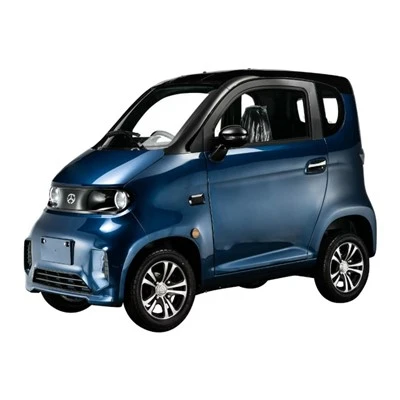
If you’re in the market for a dropside pickup truck, don’t let rust concerns hold you back. We’ve built our business on making durable, rust-resistant dropside trucks that work as hard as our customers do. We offer a range of options, from steel panels for heavy-duty construction use to aluminum panels for coastal applications, and we can tailor a truck to fit your specific needs. If you’d like to learn more about our dropside trucks, talk about maintenance tips, or start the purchasing process, please reach out to our team. We’re here to help you find the right truck that will serve you for years, without the hassle of dealing with unnecessary rust.
Low-speed Electric Delivery Car References:
- Automotive Research Center. (2021). “Long-Term Durability of Work Trucks: Rust Resistance and Repair Costs.” Annual Report on Commercial Vehicle Maintenance.
- National Highway Traffic Safety Administration. (2019). “Corrosion Protection in Light-Duty Pickup Trucks.” Technical Bulletin 19-03.
- Society of Automotive Engineers. (2020). “Galvanization and Powder Coatings for Commercial Vehicle Bodies.” Journal of Commercial Vehicle Engineering.
- Truck Manufacturers Association. (2022). “Work Truck Usage and Maintenance Best Practices for Rust Prevention.” Industry Guidelines for Light-Duty Commercial Vehicles.
Taizhou Xiangyuan New Energy Technology Co., Ltd.
As one of the most professional drop-side pick up truck manufacturers and suppliers in China, we’re featured by quality products and low price. Please rest assured to wholesale cheap drop-side pick up truck made in China here from our factory. Contact us for customized service and pricelist.
Address: NO.7HUANGJIN ROAD,METAL RESOURCES RECYCLING INDUSTRY BASE, LUQIAO, TAIZHOU, ZHEJIANG
E-mail: order@jiajiev.com
WebSite: https://www.jiaji-ev.com/
