Ever leaned in to grab your coffee mid-drive, only to knock it over because that dinky cup holder didn’t “hold” at all? Yeah, we’ve been there—way too many times, in fact. That’s actually why we got into this whole cup holder supply gig, back in the day. We noticed most people take those little slots in cars, boats, RVs, even random countertop setups for granted, but they’re way more than just plastic holes. Let’s break down how these things actually work, no stuffy textbook jargon required. Cup Holders

First off, let’s start with the basics: a cup holder’s whole job is friction, plain and simple. Wait, friction sounds boring, right? But it’s the same science that keeps your socks from sliding off your feet when you walk and your bike tires from skidding on wet pavement. Every cup holder is designed with two key friction surfaces: the slot’s inner walls and the bottom pad that sits under your cup. The goal isn’t to clamp down hard—way too tight, and you’ll fight to yank your cup out later, especially if it’s a disposable soda cup that’s squishy. It’s just enough friction to stop the cup from sliding when you hit a pothole, take a sharp turn, or (let’s be real) that sudden break for a squirrel.
But not all friction is created equal, which is why cheap cup holders fail so fast. Some use hard, smooth plastic (think the random ones in old economy cars) that has super low static friction—that’s the force that keeps two objects from sliding when they’re not moving. Toss a 20-oz water bottle in there, hit a bump, and boom, it slams into your door. That’s why we don’t sell those flimsy single-mold plastic cup holders. Our standard ones add a textured, rubberized insert lining. The texture makes tiny, uneven ridges that dig into the cup’s outer surface—even the smooth plastic of a reusable tumbler, or the thin paper of a hot coffee cup. We test these liners in three different durometers (that’s just a fancy word for “how stretchy the rubber is”) to get the friction right: not so soft that it stretches around a 12-oz cup like a loose sock, not so hard that it won’t give a little for a 30-oz big gulp.
Wait, what about size? Oh, right—another secret is adjustability, not just pre-made slots. A lot of people think a cup holder’s one-size-fits-all, but try fitting a 12-oz espresso shot into a big SUV cup slot, or a 40-oz hydro flask into a tiny boat cup holder. That’s when the adjustability feature kicks in. Most adjustable cup holders have spring-loaded arms on either side. The spring is calibrated to exert consistent outward pressure on the arms, so the amount of squeeze never changes, no matter if your cup is small or large. If the arms just clamped down with whatever force they could, a small cup would fall right through the gap, and a big cup would get stuck so tight you’d risk yanking the holder right out of its slot. We tweak the spring tension for different markets too: RV cup holders need to handle the constant jostling of cross-country road trips, so we use a stiffer spring. Countertop cup holders for office break rooms? A lighter spring works because people set their drinks down gently most of the time.
Then there’s the unsung hero: stability at the base. You might not notice it, but the bottom of a good cup holder isn’t flat or flat-smooth. A lot of cheap cup holders have a hard, smooth plastic bottom that makes your cup rock back and forth like a see-saw when you set a heavy drink down. We add a non-slip pad to the base—usually a closed-cell foam or silicone blend—to add more friction there, and also a tiny curved edge along the back of the slot. That curved back does two things: it stops the cup from sliding backward if you’re accelerating suddenly, and it keeps your cup from tipping if you nudge it too hard with your elbow while driving. We once tested a batch of RV cup holders where we skipped that curved edge, and every third one would tip a full soda during a sudden stop. Not cool, especially when that soda’s sticky.
Now, let’s get into the random stuff you might not have thought about: cup holders outside of cars. Boats, for example, have a different problem—water! Those cup holders need to work in damp environments, so we add a drain hole at the bottom to let rain or splashed water run out, instead of pooling at the base and making the cup slide. We also use mold-resistant rubber liners for marine cup holders, so mold and mildew don’t build up and make your drink taste like old boat if you leave a cup in there for a week. Countertop cup holders for cafes? We make them with stainless steel and food-grade silicone, so they can handle hot lattes that are way too close to boiling, and wipe down easy after a spill. They use the same friction science, just built for different use cases.
Wait, what about when a cup holder does go wrong? It’s almost always a friction failure, not a design flaw. Over time, the rubber liners wear out—you’ll notice your cup sliding more than it used to, or the arms get loose. That’s why we sell replacement inserts for a lot of our cup holders, instead of making you buy a whole new unit. We’ve even had customers tell us they use our replacement liners for old car cup holders that their car’s manufacturer stopped making—game changer, right?
Let’s be real, there’s a common myth that cup holders are just a trivial car accessory. But think about it: the average American spends over 100 minutes a day in their car, according to recent studies. That’s almost two hours of coffee, soda, water, or snacks every single day. A bad cup holder doesn’t just create a mess—it’s a safety hazard. A spilled coffee in your lap can distract you, or a sliding water bottle can roll under your brake pedal, making it hard to stop fast. That’s why we take every part of the design seriously: we test our cup holders in vibration chambers that mimic the rough roads of rural towns, heat chambers to see if the rubber liners break down in 100-degree summer sun, and cold chambers to make sure the plastic doesn’t get brittle in winter. We even test spill resistance during left turns and right turns, because those are the times your cup is most likely to tip over.
If you’re in the market for cup holders—whether you’re outfitting a fleet of work trucks, building a cafe’s outdoor seating, restocking RVs for a rental company, or just need bulk replacements for your business—we’ve got you. We do custom sizing too, if your space or product is weird—like, say, those tiny cups for kids’ snack boxes, or the extra-large tumblers that are popular now. We work with businesses of all sizes, from small food truck operators to big auto manufacturers. No order is too big or too small, and we can send over samples to test before you commit, no strings attached.
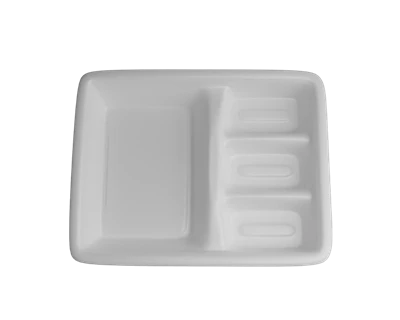
If you’re tired of flimsy cup holders that fail when you need them most, reach out to us to talk procurement. We’re here to make sure your customers, employees, or team never have to worry about their drink sloshing all over again.
Burger Boxes References
- "Friction and Its Role in Automotive Interior Design," Society of Automotive Engineers (SAE) International, 2022.
- "Marine Environmental Durability Standards for Consumer Accessories," National Marine Manufacturers Association (NMMA), 2021.
- "Ergonomics of Drink Holding Devices," Journal of Ergonomics and Human Factors, Vol. 61, No. 3, 2020.
- "Static vs. Kinetic Friction in Daily Consumer Products," Physics of Everyday Life, University of California Press, 2019.
- "RV Interior Accessory Performance Testing," Recreation Vehicle Industry Association (RVIA), 2023.
Bio Earth Technology Co., Ltd.
As one of the most professional cup holders manufacturers and suppliers, we also support customized service. Please feel free to buy bulk high quality cup holders for sale here from our factory. For quotation and free sample, contact us now.
Address: No. 8-3, Baixi, 2nd Neighborhood, Tongxiao Township, Miaoli County 357001, Taiwan (R.O.C.)
E-mail: Services@bioearthtech.com
WebSite: https://www.bioearthtech.com/
