As someone who’s spent over a decade working directly with acrylic (also called plexiglass or PMMA) boxes for various clients—from small boutique shop displays to industrial tool storage—I can’t tell you how many times I’ve heard customers lament, “I stored my acrylic box wrong and now it’s scratched, foggy, or even cracked.” Acrylic is a durable, versatile material, but it’s not indestructible, and improper storage is the number one cause of preventable damage to products we design and manufacture here at [Your Company Name]. If you’re a retail manager, a craft enthusiast, or a warehouse team lead with stacks of acrylic boxes sitting unused, this guide’s for you. We’re breaking down the science of acrylic care, tailored to the boxes we supply, so your inventory stays in pristine condition for years. Acrylic Box

First, let’s get one critical fact straight: acrylic is a thermoplastic, which means it softens at high temperatures and can scratch easily if misaligned with abrasive materials. Unlike glass, it’s shatter-resistant but prone to static buildup, chemical degradation, and warping if stored incorrectly. I’ve seen firsthand a client who left 20 custom acrylic product display boxes on a concrete warehouse floor near a loading dock; by the time they came back, 12 had permanent edge scratches from grit trapped between the box and concrete, and 3 had developed tiny cracks from temperature swings (the dock dropped to 38°F overnight and hit 92°F the next day). That’s a $1,500 loss entirely avoidable with proper storage.
Let’s start with the most basic storage rule: environment control. Acrylic hates extreme temperatures and humidity. PMMA’s glass transition temperature (the point where it becomes flexible) is around 212°F, but prolonged exposure to anything over 100°F can cause softening or warping—especially for large, thin boxes like the ones we make for trade show displays. On the flip side, temperatures below 32°F make acrylic more brittle; if stacked improperly at freezing, edges can chip or crack under even minor pressure. We recommend storing acrylic boxes in a space with consistent 60–75°F temperature and 40–50% relative humidity. Avoid attics, basements, or ungaraged outdoor sheds—those spaces have massive temperature fluctuations and high humidity (basements) or extreme heat (attics). We even keep a small hygrometer and thermometer in our own inventory storage area to check daily; it’s a tiny investment that saves hundreds in damaged stock.
Next, the surface you store on matters more than you think. Acrylic should never sit directly on hard, porous, or abrasive surfaces like concrete, asphalt, or unfinished wood. Those surfaces trap dust, dirt, and tiny grit particles that act like sandpaper when the box shifts or is stacked. For example, if you set a 12-inch acrylic storage box on a concrete floor, any tiny pebbles between the box’s bottom and the floor will rub against the acrylic’s smooth surface every time you move it, creating permanent micro-scratches that turn into visible fogging over time. Our go-to surfaces for storage are closed-cell foam mats, rubberized warehouse shelving liners, or clean, flat plywood sheets sealed with a polyurethane finish. If you’re using shelves, make sure they’re flat—bowed shelves will put uneven pressure on the edges of acrylic boxes, leading to warping. We’ve seen this happen: a client stacked 4 acrylic boxes on a warped metal shelf, and the bottom box warped so badly the lid no longer fit. A simple, $10 rubber liner fixed that for them.
Now, stacking acrylic boxes—this is where most people go wrong. The key here is weight distribution and protection between layers. Acrylic is rigid but not heavy, so stacking is fine as long as you use protective dividers between boxes. We never, under any circumstances, stack acrylic boxes directly on top of each other without a barrier. The best barriers are acid-free tissue paper, polyethylene (PE) sheeting, or the soft, non-abrasive foam inserts we include with every custom box we ship. Avoid paper towels, regular printer paper, or cardboard—these have wood fibers that can scratch acrylic and leave static residue. For the number of boxes you can stack: limit it to 5 medium-sized boxes (12x12x6 inches or smaller) at most. For larger boxes (18x18x10 inches or bigger), stick to a maximum of 2—their size and weight mean too many layers will put too much pressure on the bottom box’s edges, causing cracking. Also, never stack heavy non-acrylic items on top of acrylic boxes—tools, boxes of inventory, even water jugs can dent or crack acrylic. A client once stacked a 50-pound box of merchandise on top of 3 small acrylic display boxes; the bottom one split along the seam, and the whole stack collapsed.
Static care is another often-overlooked part of storing acrylic. Acrylic generates static electricity, which attracts dust, lint, and even airborne micro-particles from the air. If you leave an acrylic box uncovered while stored, it will become foggy within days as static pulls in debris that’s hard to wipe away later. The fix here is simple: cover each box with a breathable, static-neutral bag or wrap when not in use. We supply these anti-static poly bags with every bulk order of acrylic boxes, and we always recommend clients use them for storage. If you don’t have the anti-static bags, a loose cover of cotton fabric (like a bed sheet or dust cloth) works too—just make sure it’s not made of polyester, which also generates static. For boxes stored in closed containers, add a small pack of silica gel to absorb excess moisture and cut down on static buildup—we include these in our storage kits for clients who need them.
Chemical exposure is a silent killer of acrylic boxes. Many common household and warehouse chemicals can break down PMMA over time, leading to clouding, crazing (tiny surface cracks), or brittleness. When storing acrylic, make sure it’s at least 3 feet away from any cleaning supplies, paint cans, adhesives, gas cans, or even diesel fuel. For example, ammonia-based glass cleaners, alcohol, and acetone will etch acrylic’s surface permanently. We once had a client who stored a stack of acrylic product boxes next to a case of window cleaner; fumes from the cleaner seeped through the plastic wrap, and within a month, the boxes were covered in tiny crazing cracks that made them unusable. Also, avoid storing acrylic boxes near heating vents, space heaters, or refrigerators—those emit moisture and chemicals that are harmful to acrylic.
If you need to store acrylic boxes long-term (more than 6 months), there are a few extra steps to take. First, disassemble them if possible—especially for boxes with lids, hinges, or removable dividers. Disassembling reduces pressure on the hinges and seams, and makes each part easier to store flat, which avoids warping. If you can’t disassemble (like for large, fixed display boxes), make sure you label the box clearly, store it upright (not flat), and add extra padding around the edges to protect corners. We also recommend doing a quick check every 3 months for long-term stored boxes: wipe away any dust, adjust the stacking if needed, and look for any signs of fogging or cracks. It’s a 10-minute task that can catch issues before they become irreversible.
Now, let’s address a common question: what if my acrylic box has already been scratched or foggy from improper storage? While it’s best to prevent damage, minor scratches can often be buffed out with a mild acrylic polish, which we supply separately. For more serious damage, we also offer repair kits for small boxes. Of course, the best solution is to store your acrylic box right from the start—something we’ve refined over years of manufacturing, so the boxes we create are built to stand up to proper storage.
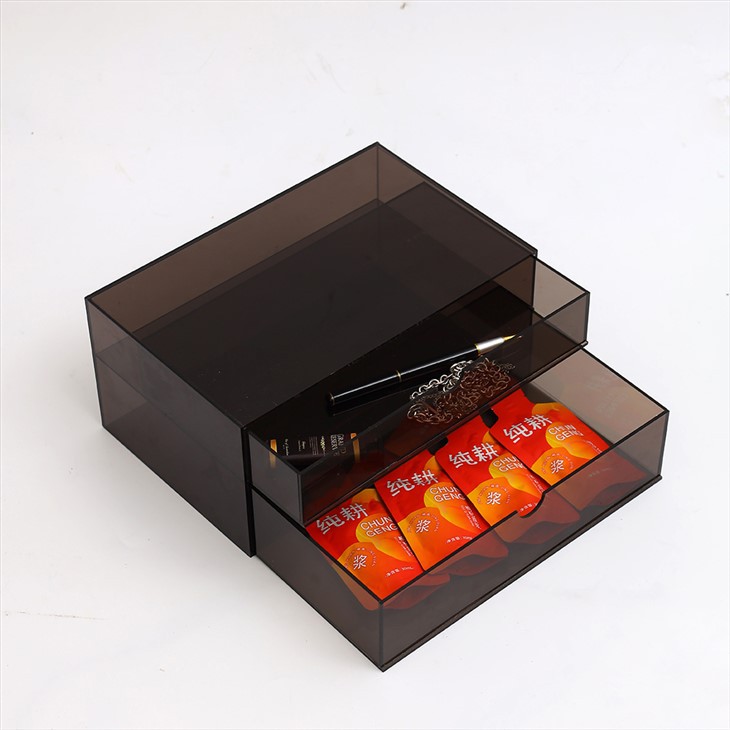
At the end of the day, storing an acrylic box isn’t complicated, but it does require working with the material’s properties, not against them. Too many customers treat acrylic like it’s just sturdy plastic, but it’s a specialized thermoplastic that needs consistent conditions, soft surfaces, and protection from static and chemicals. Our team works with hundreds of businesses each year to supply acrylic boxes for displays, storage, and industrial use, and we know that proper storage directly extends the life of your investment. If you’re looking for durable acrylic boxes designed to stand up to storage, or if you have questions about custom sizing, storage tips, or bulk orders, don’t hesitate to reach out to our team. We’re here to help you find the right solution for your needs, and make sure your acrylic boxes last as long as possible.
Acrylic Display Stand References
- Modern Plastics Encyclopedia: PMMA Properties and Processing, Society of Plastics Engineers, 2019
- Acrylic Care Guidelines, acrylic manufacturers association, 2021
- Warehousing Best Practices for Thermoplastic Products, International Material Handling Association, 2020
- Static Control for Plastic Storage, Occupational Safety and Health Administration (OSHA), 2018
Wenzhou Daoqin Crafts Co., Ltd.
With abundant experience, we are one of the most professional acrylic box manufacturers and suppliers in China. Please rest assured to wholesale bulk customized acrylic box from our factory. If you have any enquiry about quotation and free sample, please feel free to email us.
Address: Room 401, Building 5, Wanyang Innovation City, No. 9 Yangyu Road, Binhai New Area, Pingyang County, Wenzhou City, Zhejiang Province, China
E-mail: wzdaoqin@163.com
WebSite: https://www.wzacrylic.com/
