As a seasoned supplier in the field of transmission chains, I’ve witnessed firsthand the critical role these components play in a wide range of industrial applications. One of the most common concerns that our clients often bring up is the wear of a transmission chain. In this blog post, I’ll delve into what chain wear is, its causes, effects, and how to manage it effectively. Transmission Chain
What is the Wear of a Transmission Chain?
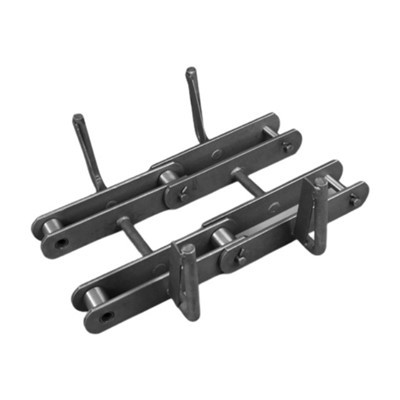
Chain wear refers to the gradual deterioration of a transmission chain over time due to various factors. A transmission chain is designed to transfer mechanical power from one part of a machine to another. It consists of a series of interconnected links, typically made of metal, that engage with sprockets to transmit rotational motion. As the chain operates, the constant contact between the links and the sprockets, along with the forces exerted during power transmission, leads to wear.
There are two main types of wear that occur in transmission chains: pin and bush wear and roller wear.
Pin and Bush Wear
The pins and bushes are crucial components in a chain’s construction. They form the pivot points between the links, allowing the chain to flex as it moves around the sprockets. During operation, the pins and bushes are subjected to high pressures and sliding friction. Over time, this friction causes the surfaces of the pins and bushes to wear down. As the wear progresses, the clearance between the pin and the bush increases. This can lead to elongation of the chain, which is a significant issue as it can cause improper meshing with the sprockets, resulting in reduced performance and potential chain failure.
Roller Wear
Rollers in a transmission chain are designed to roll along the sprocket teeth, reducing friction and facilitating smooth motion. However, they are also subject to wear. The constant rolling contact with the sprockets can cause surface damage, such as pitting and abrasion. Worn rollers can lead to increased noise, vibration, and reduced efficiency in the power transmission system. They may also cause uneven loading on the chain, accelerating the wear of other components.
Causes of Chain Wear
Several factors contribute to the wear of a transmission chain. Understanding these causes is essential for implementing effective preventive measures.
Lack of Lubrication
Lubrication is crucial for reducing friction between the moving parts of a chain. Without proper lubrication, the pins and bushes experience direct metal-to-metal contact, which significantly increases wear. Inadequate lubrication can also lead to the accumulation of dirt and debris, further exacerbating the wear process.
Contamination
Dirt, dust, and other contaminants can enter the chain system and act as abrasives. These particles can get trapped between the pins and bushes or on the surfaces of the rollers, causing accelerated wear. In industrial environments, chains are often exposed to harsh conditions, such as high levels of dust or chemical fumes, which can contaminate the chain and compromise its performance.
Overloading
Subjecting a chain to loads that exceed its rated capacity is a common cause of premature wear. When a chain is overloaded, the stresses on the pins, bushes, and rollers increase significantly. This can lead to rapid deformation and wear of these components, reducing the chain’s lifespan.
Poor Installation
Incorrect installation of a chain can also contribute to wear. If the chain is not properly tensioned or aligned with the sprockets, it can cause uneven loading and accelerated wear on specific parts of the chain. Additionally, improper installation can lead to misalignment between the chain and the sprockets, which can cause the chain to jump or derail, resulting in further damage.
High-Speed Operation
Operating a chain at high speeds can increase the wear rate due to the higher forces and friction involved. At high speeds, the pins and bushes experience more frequent and intense impacts, which can cause them to wear out faster. Roller wear can also be more pronounced at high speeds due to the increased rolling resistance.
Effects of Chain Wear
The wear of a transmission chain can have several negative effects on the performance and reliability of a machine.
Reduced Performance
As a chain wears, its ability to transmit power efficiently decreases. The elongation of the chain due to pin and bush wear can cause improper meshing with the sprockets, resulting in power loss and reduced torque transmission. Worn rollers can also increase friction and vibration, further reducing the system’s efficiency.
Increased Noise and Vibration
Worn chains often produce more noise and vibration during operation. This is due to the uneven movement and increased friction caused by the wear. Excessive noise and vibration can not only be a nuisance but can also indicate potential problems with the chain and other components. They can also lead to increased stress on the machine, which may cause premature failure of other parts.
Chain Failure
If the wear of a chain is not addressed in a timely manner, it can eventually lead to chain failure. Chain failure can be catastrophic, resulting in costly downtime and potential damage to other parts of the machine. In some cases, a broken chain can also pose a safety hazard to operators.
Managing Chain Wear
As a transmission chain supplier, we are committed to helping our clients manage chain wear effectively. Here are some strategies that can be implemented to minimize chain wear and extend the lifespan of the chain.
Proper Lubrication
Regular and proper lubrication is one of the most effective ways to reduce chain wear. Lubricants help to reduce friction, prevent metal-to-metal contact, and protect the chain from corrosion. It is important to choose the right lubricant for the specific application and to follow the manufacturer’s recommendations for lubrication intervals.
Effective Contamination Control
To prevent contamination, chains should be protected from dirt, dust, and other debris. This can be achieved by using chain guards or enclosures, especially in dirty or harsh environments. Regular cleaning of the chain is also recommended to remove any accumulated contaminants.
Correct Loading
Operating the chain within its rated capacity is essential for preventing premature wear. It is important to select the right chain for the application and to ensure that the load is evenly distributed. If the load requirements change, the chain may need to be upgraded to a higher-capacity model.
Precise Installation
Proper installation is crucial for ensuring the long-term performance of a chain. This includes correct tensioning, alignment with the sprockets, and proper seating of the chain on the sprockets. Following the manufacturer’s installation guidelines and using the appropriate tools and equipment can help to avoid installation errors.
Regular Inspection and Maintenance
Regular inspection of the chain is necessary to detect wear and other potential problems early. This includes checking the chain for elongation, damage to the rollers and links, and signs of contamination. By identifying issues early, corrective action can be taken to prevent further wear and potential chain failure. Scheduled maintenance, such as lubrication and cleaning, should also be carried out to keep the chain in optimal condition.
Conclusion
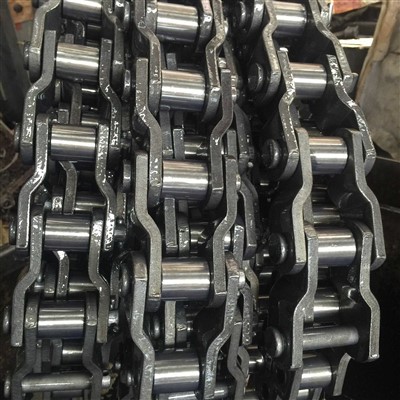
In conclusion, the wear of a transmission chain is a complex issue that can have a significant impact on the performance and reliability of industrial machinery. By understanding the causes and effects of chain wear and implementing effective management strategies, our clients can minimize wear, extend the lifespan of their chains, and reduce the costs associated with downtime and component replacement.
Transmission Chain As a leading supplier of transmission chains, we have the expertise and products to help you address your chain wear concerns. Our high-quality chains are designed to withstand the rigors of various industrial applications and are manufactured to the highest standards. If you are looking for reliable transmission chains or need advice on managing chain wear, we invite you to contact us to discuss your specific requirements. Our team of experts is ready to assist you in finding the best solution for your needs. Let’s work together to ensure the smooth and efficient operation of your machinery.
References
- Chain Handbook by the American Chain Association
- Industrial Power Transmission by John Reinke
- Machinery’s Handbook, 30th Edition
Zhejiang Hangte Chain Transmission Co., Ltd.
We are one of the most experienced transmission chain manufacturers and suppliers in China since 1999. Please rest assured to buy high quality transmission chain made in China here from our factory. If you have any enquiry about cooperation, please feel free to email us.
Address: No. 195 Qinglin East Street, Qingshan Lake Subdistrict, Lin’an District, Hangzhou City, Zhejiang Province
E-mail: hangtechain@gmail.com
WebSite: https://www.chinahtchain.com/
