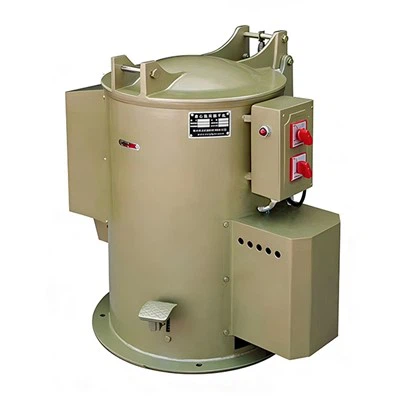
Static electricity is a common and troublesome issue in the process of barrel polishing. As a supplier of Barrel Polishing Machines, I’ve witnessed firsthand how static electricity can disrupt the polishing process, affect product quality, and even pose safety risks. In this blog, I’ll share some effective strategies to prevent static electricity during barrel polishing, based on our extensive experience and industry knowledge. Barrel Polishing Machine
Understanding the Causes of Static Electricity in Barrel Polishing
Before delving into preventive measures, it’s crucial to understand why static electricity occurs during barrel polishing. Static electricity is generated when two or more materials come into contact and then separate. In the case of barrel polishing, the continuous rubbing and tumbling of the workpieces, polishing media, and the interior surface of the barrel create a perfect environment for static electricity buildup.
The movement of the polishing media against the workpieces causes electrons to be transferred from one material to another. If the materials involved have different electrical conductivities, this electron transfer can lead to an imbalance of charges, resulting in the accumulation of static electricity. Additionally, factors such as the humidity of the environment, the type of materials being polished, and the speed of the barrel rotation can all influence the degree of static electricity generation.
The Impact of Static Electricity in Barrel Polishing
Static electricity can have several negative impacts on the barrel polishing process. Firstly, it can cause the polishing media to stick to the workpieces or the interior walls of the barrel. This not only reduces the efficiency of the polishing process but also leads to uneven polishing results. The adhered media can create scratches or marks on the surface of the workpieces, affecting their appearance and quality.
Secondly, static electricity can attract dust and other particles from the surrounding environment. These particles can become embedded in the polished surface, causing contamination and reducing the overall cleanliness of the finished products. In industries where high levels of cleanliness are required, such as the electronics or medical device industries, this can be a significant problem.
Finally, static electricity can pose a safety risk. In some cases, the buildup of static electricity can lead to electrical discharges, which can cause sparks. These sparks can potentially ignite flammable materials in the vicinity, leading to fire or explosion hazards. This is particularly dangerous in environments where volatile chemicals or solvents are used in the polishing process.
Preventive Measures to Avoid Static Electricity
Control the Humidity of the Environment
One of the most effective ways to prevent static electricity is to maintain a proper level of humidity in the polishing environment. Static electricity is more likely to occur in dry conditions because dry air is a poor conductor of electricity, allowing charges to accumulate more easily. By increasing the humidity in the air, moisture acts as a conductor, helping to dissipate the static charges.
A humidity level of around 40% – 60% is generally recommended for barrel polishing operations. This can be achieved by using humidifiers in the workspace. Modern humidifiers come in various types and sizes, and can be easily adjusted to maintain the desired humidity level. It’s important to regularly monitor the humidity using a hygrometer to ensure that it remains within the optimal range.
Use Anti-Static Additives
Anti-static additives are substances that can be added to the polishing compound or the water used in the barrel polishing process. These additives work by reducing the surface resistance of the materials involved, allowing the static charges to flow more freely and dissipate.
There are different types of anti-static additives available on the market, and the choice of additive depends on the specific materials being polished and the requirements of the polishing process. Some additives are designed for use with metal workpieces, while others are more suitable for plastics or other non-metallic materials. It’s important to follow the manufacturer’s instructions when using anti-static additives to ensure their effectiveness.
Ground the Barrel Polishing Machine
Proper grounding is essential for preventing static electricity buildup in the barrel polishing machine. Grounding provides a path for the static charges to flow safely to the earth, preventing them from accumulating on the machine and the workpieces.
To ground the barrel polishing machine, a grounding wire should be connected to the metal frame of the machine and then to a reliable grounding point, such as a grounding rod buried in the ground. It’s important to ensure that the grounding connection is secure and that the grounding wire has a low resistance to allow for efficient charge dissipation. Regularly inspect the grounding system to make sure it remains in good working condition.
Choose the Right Polishing Media
The type of polishing media used can also have a significant impact on the generation of static electricity. Some materials tend to generate more static electricity than others when rubbed against each other. For example, plastic media may generate more static electricity compared to metal or ceramic media.
When selecting polishing media, consider using media with anti-static properties. Some manufacturers offer polishing media that are specifically designed to reduce static electricity buildup. These media may have a special coating or composition that helps to dissipate the static charges. Additionally, using a combination of different types of media can also help to reduce static electricity by minimizing the contact between materials that are prone to generating static.
Adjust the Polishing Machine Parameters
The operating parameters of the barrel polishing machine, such as the rotation speed and the duration of polishing, can also affect the generation of static electricity. Higher rotation speeds generally result in more friction and therefore more static electricity buildup. By reducing the rotation speed, the amount of friction between the workpieces, media, and the barrel can be decreased, leading to less static electricity generation.
Similarly, limiting the duration of polishing can also help to prevent excessive static electricity buildup. Prolonged polishing can increase the amount of contact and friction between the materials, leading to a greater accumulation of static charges. By optimizing the polishing time, the risk of static electricity can be minimized while still achieving the desired polishing results.
Implementing a Comprehensive Static Electricity Prevention Plan
To effectively prevent static electricity during barrel polishing, it’s important to implement a comprehensive prevention plan that combines multiple preventive measures. Start by conducting a thorough assessment of your polishing environment and processes to identify the factors that may contribute to static electricity generation. Based on this assessment, develop a customized plan that includes the appropriate preventive measures described above.
Train your employees on the importance of static electricity prevention and the proper procedures for implementing the prevention plan. Provide them with the necessary tools and equipment, such as hygrometers, anti-static additives, and grounding devices. Regularly monitor and evaluate the effectiveness of the prevention plan, and make adjustments as needed to ensure continuous improvement.
Conclusion
Preventing static electricity during barrel polishing is crucial for ensuring the efficiency, quality, and safety of the polishing process. By understanding the causes of static electricity, implementing the appropriate preventive measures, and developing a comprehensive prevention plan, you can minimize the negative impacts of static electricity and achieve better polishing results.
Magnetic Polishing Machine As a leading supplier of Barrel Polishing Machines, we are committed to providing our customers with high-quality equipment and comprehensive technical support. If you are facing problems with static electricity in your barrel polishing operations, or if you are interested in learning more about our Barrel Polishing Machines, please do not hesitate to contact us. Our team of experts is ready to assist you in finding the best solutions for your specific needs.
References
- [Smith, J. (2018). Static Electricity in Industrial Processes. Industrial Safety Press]
- [Jones, A. (2019). The Science of Surface Finishing. Surface Technology Publications]
- [Brown, R. (2020). Best Practices for Barrel Polishing. Polishing Industry Journal]
Dongguan Xindingsheng Intelligent Grinding Technology Co., Ltd.
Dongguan Xindingsheng Intelligent Grinding Technology Co., Ltd. is one of the most reliable barrel polishing machine manufacturers and suppliers in China, also supports customized service. Please feel free to wholesale bulk high quality barrel polishing machine in stock here from our factory. Contact us for pricelist.
Address: Room 101, Building 1, No. 73 Dahuangmei Road, Dalingshan Town, Dongguan City, Guangdong Province, China
E-mail: cndskj@126.com
WebSite: https://www.xdsfinishing.com/
