Hey there! I’m a supplier of Non – Magnetic Drill Subs, and today I wanna chat about the electrical conductivity of these bad boys. Non-Magnetic Drill Subs

Let’s start with the basics. Non – Magnetic Drill Subs are crucial components in the oil and gas drilling industry. They play a big role in directional drilling, where accurately guiding the drill bit to the target location is super important. Now, electrical conductivity might not be the first thing that comes to mind when you think about drill subs, but it’s actually a key factor that affects their performance.
Electrical conductivity is all about how well a material allows an electric current to flow through it. In the case of Non – Magnetic Drill Subs, this property can have a significant impact on the operation of downhole instruments. Many modern drilling tools rely on electrical signals for communication, data transmission, and control. For example, measurement – while – drilling (MWD) and logging – while – drilling (LWD) tools use electrical signals to send data about the wellbore conditions, such as temperature, pressure, and rock properties, back to the surface.
The ideal Non – Magnetic Drill Sub should have low electrical conductivity. Why is that? Well, a low – conductivity material helps to minimize electromagnetic interference. When there’s high electrical conductivity, it can cause unwanted electrical currents and magnetic fields. These can interfere with the delicate electrical signals sent by the downhole instruments, leading to inaccurate data readings or even tool malfunctions.
So, what materials are typically used for Non – Magnetic Drill Subs, and how do they fare in terms of electrical conductivity?
One common material is austenitic stainless steel. Austenitic stainless steels are known for their non – magnetic properties, which is essential for drill subs. They also have relatively low electrical conductivity compared to some other metals. This is because their crystal structure and the presence of alloying elements like chromium, nickel, and molybdenum affect the movement of electrons within the material.
For instance, a well – known austenitic stainless steel grade used in drill subs is 316L. It has a decent combination of corrosion resistance, mechanical strength, and low electrical conductivity. The low electrical conductivity of 316L helps to reduce the chances of electromagnetic interference, ensuring that the downhole instruments can operate smoothly.
Another material option is a non – ferrous alloy, such as a titanium – based alloy. Titanium alloys are lightweight, strong, and offer excellent corrosion resistance. They also have low electrical conductivity, which makes them suitable for Non – Magnetic Drill Subs. The unique atomic structure of titanium and its alloying elements restricts the flow of electrons, reducing the electrical conductivity of the material.
When it comes to measuring the electrical conductivity of Non – Magnetic Drill Subs, there are a few methods. One of the most common techniques is the four – point probe method. In this method, four probes are placed in contact with the material’s surface. A known current is passed through the outer two probes, and the voltage is measured across the inner two probes. Using Ohm’s law (V = IR), the electrical resistivity can be calculated, and from that, the electrical conductivity (which is the reciprocal of resistivity) can be determined.
There are also other factors that can affect the electrical conductivity of Non – Magnetic Drill Subs during their service life. For example, temperature can have a significant impact. As the temperature increases, the electrical conductivity of most materials changes. In general, for metals and alloys, including those used in drill subs, the electrical conductivity decreases with increasing temperature. This is because the increased thermal energy causes the atoms in the material to vibrate more vigorously, which makes it more difficult for electrons to flow through the material.
Corrosion can also affect the electrical conductivity of Non – Magnetic Drill Subs. If the surface of the drill sub corrodes, it can form an oxide layer. This oxide layer might have different electrical properties than the base material. In some cases, the oxide layer can act as an insulator, reducing the overall electrical conductivity of the drill sub.
As a supplier of Non – Magnetic Drill Subs, I always keep a close eye on the electrical conductivity of the materials we use. We work with top – notch manufacturers who ensure that the materials meet strict quality standards when it comes to electrical conductivity. We also perform our own quality checks to double – check the electrical properties of the drill subs before they leave our facility.
Why should you care about the electrical conductivity of Non – Magnetic Drill Subs, you might ask? Well, if you’re involved in the oil and gas drilling industry, the accuracy of your downhole measurements can make or break a project. By choosing Non – Magnetic Drill Subs with the right electrical conductivity, you can ensure that your MWD and LWD tools work properly, providing you with reliable data to make informed decisions about the drilling operation.
Whether you’re drilling a shallow well or a deep – sea exploration well, having drill subs with low electrical conductivity can help you avoid costly downtime and inaccurate drilling results. It’s an investment in the success of your drilling project.
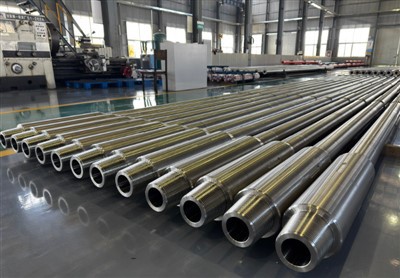
If you’re in the market for Non – Magnetic Drill Subs and want to learn more about their electrical conductivity and how it affects your operations, don’t hesitate to reach out. I’m here to answer all your questions, discuss your specific needs, and provide you with the best – quality products at competitive prices. Let’s have a chat about how we can work together to make your drilling projects more efficient and successful.
Non-Magnetic Tools for Coal References
- "Materials Science and Engineering: An Introduction" by William D. Callister Jr. and David G. Rethwisch
- "Handbook of Non – Ferrous Metal Powders" edited by Joseph W. Newkirk, Jr. and James L. Dunford
- Technical papers from leading oil and gas equipment manufacturers on Non – Magnetic Drill Sub design and material properties
Shanxi Zhonghe Non-Magnetic Drill Tool Co., Ltd.
Address: No.168 Fenglei Street, Houma City, Linfen City, Shanxi Province, China.
E-mail: lucy@nmdrillcollar.com
WebSite: https://www.zhnmdc.com/
