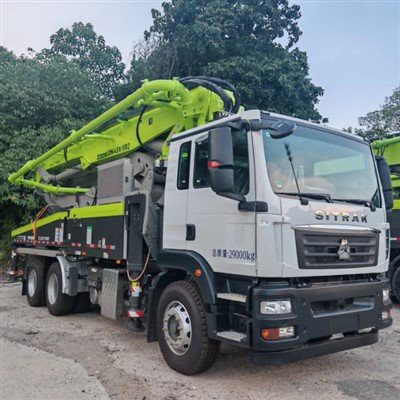
Hey there! I’m a supplier of boom concrete pump trucks, and I’ve seen my fair share of issues in the field. One of the most common headaches for operators is dealing with blockages in the pipeline. It can bring the whole pouring process to a halt, waste time, and even cause some serious wear and tear on the equipment if not handled right. So, let’s dig into how a boom concrete pump truck deals with these blockages. Boom Concrete Pump Truck
Understanding Why Blockages Happen
First off, to fix the problem, we gotta know why it’s happening in the first place. Blockages typically occur because of a few key factors. One biggie is the concrete mix itself. If the mix has large aggregates or if it’s not properly proportioned, it can start to clog up the pipeline. For example, if there are chunks of stone that are too big for the diameter of the pipe, they can get stuck and cause a backup.
Another factor is improper operation. If the pump is run too fast or too slow, it can affect the flow of concrete. Running it too fast might not give the concrete enough time to move smoothly through the pipe, while running it too slow can cause the concrete to start setting in the pipe. Temperature also plays a role. In hot weather, the concrete can set more quickly, increasing the risk of blockages. And in cold weather, the concrete might become too thick and hard to pump.
Early Detection of Blockages
Catching a blockage early is super important. It can save you a lot of time and hassle in the long run. One way to detect a blockage early is by listening to the pump. If you hear strange noises coming from the pump, like a grinding or a thumping sound that’s different from the normal operation, it could be a sign of a blockage starting to form.
You can also monitor the pressure gauge on the pump. A sudden increase in pressure can indicate that there’s some resistance in the pipeline, which could be due to a blockage. And keep an eye on the flow of concrete at the end of the boom. If the flow starts to slow down or become uneven, that’s a red flag.
Clearing Minor Blockages
Once you’ve detected a possible blockage, the next step is to try and clear it. For minor blockages, there are a few things you can do. First, you can try to reverse the pump. Running the pump in reverse for a short period can sometimes dislodge the blockage and allow the concrete to start flowing again. Just make sure you follow the manufacturer’s instructions when doing this, as reversing the pump incorrectly can cause damage.
Another method is to use the vibration function on the boom. Many boom concrete pump trucks have a vibration feature that can help loosen up the concrete and break up small blockages. By vibrating the pipeline, you can encourage the concrete to start moving again.
You can also try to gently tap on the pipeline with a rubber mallet. This can help to dislodge any small clumps of concrete that might be causing the blockage. Just be careful not to hit the pipe too hard, as you don’t want to damage it.
Dealing with Severe Blockages
If the minor methods don’t work, and you’re dealing with a severe blockage, things get a bit more complicated. One option is to remove the section of the pipeline where the blockage is located. This can be a time – consuming process, as you’ll need to shut down the pump, release the pressure in the pipeline, and then carefully remove the affected section.
Once you’ve removed the section, you can try to clear the blockage manually. This might involve using tools like long rods or brushes to break up and remove the concrete. It’s a messy job, but sometimes it’s the only way to get the pump up and running again.
In some cases, if the blockage is really stubborn and you can’t remove it, you might need to cut the pipeline. This is a last – resort option, as it means you’ll have to replace the cut section of the pipe. But if it’s the only way to get the job done, then so be it.
Preventing Blockages in the First Place
Of course, the best way to deal with blockages is to prevent them from happening in the first place. One of the most important things is to make sure you’re using the right concrete mix. Work with a reputable concrete supplier to get a mix that’s suitable for your pump and the job you’re doing. The mix should have the right balance of aggregates, water, and cement to ensure smooth flow through the pipeline.
Proper training for the operators is also crucial. They should know how to operate the pump at the right speed and pressure, and how to monitor the equipment for signs of trouble. Regular maintenance of the pump truck is essential too. Keep the pipeline clean between jobs, and check for any signs of wear or damage that could lead to blockages.
Conclusion
Dealing with blockages in the pipeline of a boom concrete pump truck is definitely a challenge, but with the right knowledge and techniques, it can be managed. Whether it’s early detection, clearing minor blockages, or dealing with severe ones, there are steps you can take to get your pump back up and running smoothly.
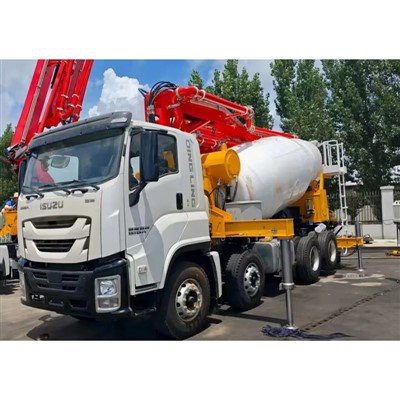
Cement Mixer If you’re in the market for a boom concrete pump truck or need more advice on dealing with blockages and other issues, I’d love to chat. I’ve got years of experience in this industry, and I can help you find the right equipment for your needs. Don’t hesitate to reach out and start a conversation about your next project and how we can work together to make it a success.
References
- Concrete Pumping Handbook, various editions for general information on concrete pumping operations and blockage management.
- Manufacturer’s manuals for boom concrete pump trucks which provide specific details on operation, maintenance, and troubleshooting.
Shandong Fuxin Automobile Technology Co., Ltd.
We’re well-known as one of the leading boom concrete pump truck manufacturers and suppliers in China, featured by quality products and good price. Please rest assured to buy advanced boom concrete pump truck made in China here from our factory. Contact us for more details.
Address: West of Nanshou Road, Beihai Road, Weifang City, Shandong Province
E-mail: h17616861003@gmail.com
WebSite: https://www.fuxinautomobile.com/
