Magnesium acetate, a compound often overlooked in discussions of magnetic phenomena, exhibits some fascinating behaviors when introduced into a magnetic field. As a trusted supplier of magnesium acetate, I have delved into the scientific intricacies of this compound and its interaction with magnetic forces. This exploration not only enhances our understanding of magnesium acetate but also opens up potential applications in various industries. Magnesium Acetate
The Basics of Magnesium Acetate
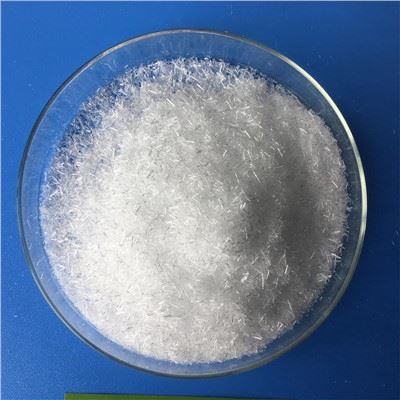
Before we dive into its magnetic behavior, let’s understand what magnesium acetate is. Magnesium acetate, with the chemical formula Mg(CH₃COO)₂, is a salt of magnesium and acetic acid. It typically exists as a tetrahydrate, Mg(CH₃COO)₂·4H₂O, in its most common form. This compound is highly soluble in water and has a wide range of uses, from being a catalyst in organic synthesis to a component in dietary supplements due to its role in providing bioavailable magnesium.
Magnetic Properties: A General Overview
To understand how magnesium acetate behaves in a magnetic field, we first need to grasp the basic principles of magnetism. Materials can be classified into different magnetic categories based on their response to an external magnetic field.
- Diamagnetic materials: These materials are weakly repelled by a magnetic field. They have no unpaired electrons, and when placed in a magnetic field, the induced magnetic moments oppose the external field.
- Paramagnetic materials: Paramagnetic substances are weakly attracted to a magnetic field. They contain unpaired electrons, and the magnetic moments of these electrons align with the external magnetic field.
- Ferromagnetic materials: These are strongly attracted to a magnetic field and can retain their magnetization even after the external field is removed. Examples include iron, nickel, and cobalt.
Magnesium Acetate’s Magnetic Behavior
Magnesium acetate is a diamagnetic compound. This means that when it is placed in a magnetic field, it shows a weak repulsive force. The diamagnetism of magnesium acetate can be traced back to its electronic structure.
Magnesium in magnesium acetate has a +2 oxidation state, with an electronic configuration of [Ne], which has no unpaired electrons. The acetate ions (CH₃COO⁻) also have no unpaired electrons in their ground – state electronic configurations. When an external magnetic field is applied, the electrons in the magnesium acetate molecules experience a change in their orbital motion. According to Lenz’s law, the induced magnetic field created by this change in electron motion opposes the applied magnetic field, resulting in a weak repulsive force.
Experimental Observations
Several experiments have been conducted to study the magnetic behavior of magnesium acetate. One common method is to use a Gouy balance. In a Gouy balance experiment, a sample of magnesium acetate is suspended between the poles of a magnet. The change in the apparent weight of the sample is measured as the magnetic field is applied.
If the sample is diamagnetic, as in the case of magnesium acetate, it will experience a decrease in its apparent weight when the magnetic field is turned on. This decrease in weight is due to the repulsive force exerted by the magnetic field on the diamagnetic sample. The magnitude of this repulsive force is relatively small compared to the forces observed in paramagnetic or ferromagnetic materials.
Factors Affecting Magnetic Behavior
Although magnesium acetate is diamagnetic, its magnetic behavior can be influenced by certain factors.
- Temperature: Temperature can have an impact on the magnetic properties of materials. In the case of magnesium acetate, as the temperature increases, the thermal motion of the molecules becomes more significant. This can disrupt the alignment of the induced magnetic moments, reducing the overall diamagnetic effect. At higher temperatures, the repulsive force between the magnesium acetate and the magnetic field may decrease.
- Concentration: In solutions, the concentration of magnesium acetate can also affect its magnetic behavior. As the concentration increases, the number of magnesium acetate molecules per unit volume increases. This can lead to an increase in the overall diamagnetic response, as there are more molecules available to interact with the magnetic field.
Potential Applications
Despite its weak diamagnetic behavior, magnesium acetate’s interaction with magnetic fields holds potential for several applications.
- Magnetic Separation: In some industrial processes, magnetic separation techniques are used to separate different substances. Although magnesium acetate’s diamagnetic force is weak, it could potentially be used in combination with other separation methods to isolate magnesium acetate from mixtures. For example, in the purification of magnesium acetate from other salts or impurities, a carefully designed magnetic field could be used to enhance the separation process.
- Biomedical Applications: In the field of biomedicine, magnetic materials are often used for drug delivery, imaging, and other applications. While magnesium acetate itself may not be a primary magnetic material for these applications, its diamagnetic properties could be exploited in combination with other magnetic nanoparticles. For instance, magnesium acetate could be used as a coating or a stabilizing agent for magnetic nanoparticles, and the diamagnetic properties could help in controlling the behavior of these nanoparticles in a magnetic field – based drug delivery system.
As a Supplier
As a supplier of magnesium acetate, I understand the importance of providing high – quality products for various applications. Whether you are a researcher exploring the magnetic properties of magnesium acetate or an industrial user looking for a reliable source of magnesium acetate for your processes, I am committed to meeting your needs.
Our magnesium acetate is produced using the highest quality raw materials and strict manufacturing processes. We ensure that our product meets the highest standards of purity and quality. Our team of experts is also available to provide technical support and answer any questions you may have regarding the use of magnesium acetate, including its behavior in a magnetic field.
Ammonium Citrate If you are interested in purchasing magnesium acetate for your research or industrial applications, I encourage you to contact me to start a beneficial business negotiation. I look forward to the opportunity to work with you and support your projects.
References
- Atkins, P. W., & de Paula, J. (2009). Physical Chemistry. Oxford University Press.
- Huheey, J. E., Keiter, E. A., & Keiter, R. L. (1993). Inorganic Chemistry: Principles of Structure and Reactivity. HarperCollins.
- Miessler, G. L., & Tarr, D. A. (2013). Inorganic Chemistry. Pearson.
Jiangsu Kolod Food Ingredients Co., Ltd.
As one of the most professional magnesium acetate manufacturers and suppliers in China, we’re featured by quality products and good price. Please rest assured to wholesale bulk magnesium acetate made in China here and get free sample from our factory. Customized orders are welcome.
Address: South Side of Weier Road, Guanyun Development Zone, Lianyungang City, Jiangsu Province, China
E-mail: sales1399@jskolod.com
WebSite: https://www.kolod-group.com/
