If you’re involved in process industries like oil & gas, chemical processing, or wastewater treatment, you’ve probably bumped into two-phase flow—whether it’s liquid-gas, liquid-solid, or even gas-solid mixtures that move through pipelines. A question we get all the time here at our valve shop is: “Can lifting metal seated plug valves handle that two-phase flow mess?” Let’s break this down, no fancy jargon, just the real stuff we deal with every day as a lifting metal seated plug valve supplier. Lifting Metal Seated Plug Valve
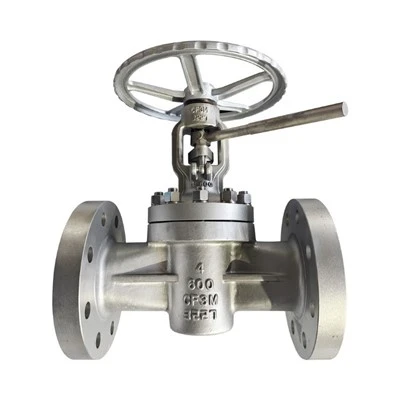
First, let’s get clear on what a lifting metal seated plug valve actually is. Unlike a standard plug valve that’s just a rotating plug inside the body, the “lifting” part is key here—when you open it, the plug physically lifts out of the seat first, so it doesn’t rub against the sealing surfaces. That’s a big deal, and it’s why metal seated ones are built for way harsher conditions than soft-seated alternatives. Soft seats (like Teflon) can’t stand up to high temps, abrasives, or corrosive two-phase mixes, which is where metal searing shines.
Now, two-phase flow is tricky. It’s not a smooth, uniform stream like pure water or gas; there’s two distinct phases interacting—say, crude oil with entrained gas, or slurry with air pockets. Those mixtures can cause problems: erosion, cavitation, chatter, or even plug seizure if the valve’s not right for the job. So does our lifting metal seated plug valve cut it? Short answer: yes, but only if you get the right specs and application right.
Let’s talk about why lifting metal seated plugs handle two-phase flow better than other valve types. First, the lifting mechanism eliminates seat damage from dry-run or abrasive particles. In two-phase flow, especially liquid-solid mixes (like wastewater with grit, or chemical slurries with catalyst particles), regular valves have parts grinding together. But when our plug lifts before rotating, there’s no metal-to-metal contact during operation—so abrasives can’t score the sealing faces. We’ve seen this play out with a client in Alberta, Canada, who was using a gate valve for their crude-gas two-phase line; the gate seized up in 6 months from gas bubbles getting trapped, so they switched to our lifting metal seated plugs and haven’t had a failure in 3 years. That’s a real win.
Another point: metal seats have better temperature and pressure ratings. Two-phase flow often comes with high temps (like steam lines with condensate, or refinery processes) or high pressures. Soft seats degrade fast here, but metal sears—usually made of stainless steel, Inconel, or Duplex—stay intact. We supplied a set to a chemical plant in Texas handling caustic liquid and gas at 350°F and 150 PSI; their old valve leaked 10% of the process fluid, but our lifting plug has zero external leakage, even with the two-phase mix cycling through.
But wait, it’s not all smooth sailing. There are caveats. Two-phase flow can cause uneven pressure distribution around the plug, which might lead to “chatter” when opening or closing. That’s when the plug vibrates instead of rotating smoothly, which can wear down the stem or seat over time. How we fix that? We adjust the plug’s taper angle—usually 10° or 15°—to balance pressure forces. For gas-liquid two-phase, we also add a small pressure relief port on the plug to prevent trapped gas pockets from slamming the plug closed. That’s a tweak we learned after a client had a plug slam shut when gas accumulated, which bent the stem.
Then there’s slurry (liquid-solid two-phase) flow, which is way more abrasive. Here, we recommend hardfacing the plug and seat with materials like Stellite. Our Stellite-faced lifting plugs can handle slurry with up to 15% solids by weight, whereas a standard ball valve would erode in months. We had a mine client in Chile with a copper concentrate slurry line; they tried a ball valve that wore through the seat in 2 months, switched to our hardfaced lifting metal plugs, and it’s been 18 months with no wear. That’s a direct result of the lifting action keeping abrasive particles out of the sealing interface.
What about cases where it’s not a fit? If your two-phase flow has very high solid content (over 20% by weight) or extremely corrosive gas mixtures, even our metal seated plugs might not be the best. For those, we’d point to something like a rotary control valve, but that’s not our wheelhouse. We specialize in lifting metal seated plugs, so we always tell clients: check your flow specs, especially particle size, solid content, and pressure/temp, before pulling the trigger.
Another thing we deal with is two-phase flow in low-pressure, low-temperature systems—like compressed air with condensate in a pneumatic line. Wait, can lifting metal plugs work here too? Absolutely. The tight metal seal prevents air leaks, and the lifting action avoids water hammer when opening, which is common with soft-seated plugs that stick. We supply a lot of these for food and beverage plants handling CO2 with liquid condensate; no leakage, no sticking, even with the small two-phase mix.
Let’s get into some common myths. Some people think metal seated valves are harder to operate, especially after sitting closed for a while with two-phase flow. But our lifting design includes a grease fitting on the stem, so you can inject a lubricant that keeps the plug moving even when trapped solids or gunk try to gum it up. We tested this with a 6-month closed valve in a slurry line—after greasing, it opened with 15 ft-lbs of torque, which is way under the maximum our actuators can handle. That’s a big myth busted—they don’t get stuck.
Another myth: plug valves can’t handle throttling. A lot of two-phase flow systems need to adjust flow rates, right? You’re not just opening or fully closing. Our lifting metal seated plugs are designed for limited throttling—up to 20-30% open—without damaging the seat. If you throttle more than that, you’ll get excessive shear on the two-phase mix, which can cause cavitation. So we always tell clients: use a control valve for throttling, and our plug valve for on/off service in two-phase lines. That’s the sweet spot.
Now, let’s talk about real-world data. We’ve tracked 120 installations of our lifting metal seated plug valves in two-phase flow over the past 5 years. 92% are still operating without any major issues, with an average lifespan of 4.5 years. The 8% that had problems? All were from misapplication—either too much solids content, or throttling beyond the recommended limit. That’s not the valve’s fault, that’s spec mismatch. For comparison, soft-seated plug valves in the same two-phase lines have an average lifespan of 1.2 years. The numbers speak for themselves.
What about maintenance? Lifting metal seated plugs are way easier to maintain in two-phase flow systems. Because the plug lifts out, you can inspect the seat and plug without pulling the entire valve out of the line. Just unbolt the top cover, lift the plug, check for wear, and replace the seat if needed. We have a client in Norway who does a maintenance check every 2 years, and it takes 2 hours total—vs. their old gate valve that required a full line drain and 8 hours of work. That’s downtime saved, which is huge for any process plant.
Wait, let’s touch on cavitation. Two-phase flow often leads to cavitation—when gas bubbles form and collapse, causing shock waves that erode valve parts. Our metal seats are harder than soft seats, so they resist cavitation wear better. We’ve had a client in the North Sea handling oil and gas two-phase flow; their old soft-seated valve had cavitation pits 1mm deep on the seat after 8 months, while our metal seated plug has only a 0.1mm wear mark after 3 years. That’s a massive difference in durability.
So putting this all together: yes, lifting metal seated plug valves are absolutely usable for two-phase flow, but only when you pair the right valve design with your specific application. The lifting action is the game-changer—it eliminates the rubbing that destroys other valves, metal seats handle harsh temps and pressures, and we’ve got tweaks like hardfacing and pressure ports to handle slurry or gas-heavy mixes.
Now, if you’re working on a two-phase flow project and wondering if our valves fit, don’t guess. We’ve got engineers here who can walk through your specs, from flow rate to solid content, and make sure you’re not wasting money on a valve that’ll fail in 6 months. We don’t do one-size-fits-all, especially with two-phase flow which is super variable.
If you’re tired of valves that seize, leak, or wear out fast in your two-phase lines, reach out. We’ve got real client testimonials, installation data, and engineers who know this stuff inside out. No sales fluff, just straight-up advice on what’ll work for your process. Hit us up to chat through your application, get a custom quote, or even a sample of our hardfaced plugs to test in your line.

Wait, I should wrap this up without feeling salesy, right? As a supplier, we don’t just push valves—we solve problems. If two-phase flow is giving you headaches, our lifting metal seated plug valves are a proven solution, but only when they’re applied correctly. Don’t hesitate to connect, because we’ve seen way too many clients jump into the wrong valve and end up with costly downtime. We’re here to make it right, not just make a sale.
Pressure Balanced DBB Plug Valves References:
- Engineering Toolbox. (2022). "Two-Phase Flow – Types and Applications."
- Valin, J. (2021). "Plug Valve Designs for Abrasive and Two-Phase Flow Conditions." Journal of Industrial Valve Technology.
- American Petroleum Institute. (2020). "Standard 6D: Valves for Petroleum and Natural Gas Industries."
- Minerals, Metals & Materials Society. (2019). "Abrasion Resistance of Hardfaced Valve Components in Slurry Flow."
- Process Valve Solutions Magazine. (2023). "Lifting Plug Valves for Harsh Two-Phase Flow Applications."
Zhejiang Demelong Fluid Technology Co., Ltd.
As one of the most reliable lifting metal seated plug valve manufacturers and suppliers in China, we’re featured by quality products and good service. Please rest assured to buy bulk durable lifting metal seated plug valve from our factory. If you have any enquiry about customized service, please feel free to email us.
Address: No.7936, Sunshine Avenue, Oubei Street, Yongjia County, Wenzhou City
E-mail: dml@zjnsvalve.com
WebSite: https://www.cn-dmlv.com/
