If you’ve ever stood in a public restroom—whether at a busy café, office building, gas station, or even your own commercial space—only to reach for a jumbo toilet roll and find it stuck fast in its dispenser, you know the frustration. You can’t exactly wait for the next person to handle it, and yanking too hard usually results in either a torn roll, a damaged dispenser, or both. As a supplier of jumbo toilet roll dispensers, I’ve helped hundreds of commercial facility managers, janitorial teams, and business owners troubleshoot this exact issue over the years. It’s one of the most common problems we get calls about, and more often than not, it’s a preventable one. The good news? Removing a stuck roll doesn’t have to mean damage, downtime, or a messy fix. I’m going to walk you through the step-by-step process I’ve shared with our customers, explain why rolls get stuck in the first place, and offer a few quick tips to keep this from happening again. Jumbo Toilet Roll Paper Dispense

First, let’s get one thing straight: jumbo toilet rolls aren’t the same as the standard household rolls you’d use at home. They’re larger, heavier, designed for high-traffic spaces, and meant to last weeks (or even months) in a commercial dispenser. That size difference, paired with how they’re loaded and how the dispenser works, is where most of the problems start. When a roll gets stuck, it’s almost never because of a defect in the roll or the dispenser—9 times out of 10, it’s from improper loading, wear and tear on small parts, or even the wrong size roll being used. I’ve seen customers jam a roll because they forced it on the spindle too quickly, or because a spring inside the dispenser lost its tension over time, making it too hard to rotate the roll when you need to pull paper.
Before we jump into the steps, let’s cover a quick pre-check: safety. Most commercial dispensers are wall-mounted, and if you’re working on a taller unit (like the ones we install in high-ceiling restrooms or industrial facilities), make sure you have a stable step stool. Never stand on a trash can, bucket, or other flimsy surface—falls are the last thing you need when you’re just trying to fix a toilet paper issue. Also, if you’re in a public space, put a small “Out of Service” sign on the restroom stall for a minute or two, so no one walks in thinking the dispenser is broken and gets confused. A 10-second heads-up goes a long way.
Now, let’s get to the actual removal process. I always start with the gentlest methods first, because once you damage a roll or a part, you’re creating more work for yourself.
Step 1: Loosen the paper gently. First, if there’s a length of paper hanging out, grab it at the very end (not halfway down the roll) and pull it straight towards you, with slow, even pressure. A lot of people yank hard, thinking that will break the roll free, but that’s the worst move—yanking twists the roll tighter on the spindle, makes it catch on the dispenser’s internal guides, and often tears the paper so bad you have to pull more, which just makes the jam worse. If the paper won’t budge, don’t keep pulling. Stop here.
Step 2: Access the roll’s inner core. Most jumbo dispensers have a front cover that swings open or pops off—look for a small latch, usually on the top or side of the unit, that you can press or pull with your finger. Some dispensers have a key, which is common in high-security spaces (like hospitals or office buildings with limited access) to prevent vandalism. If you don’t have a key, don’t try to pry the cover off with a screwdriver—you’ll scratch the dispenser or break the latch. Reach out to your dispenser supplier (that’s us, by the way) and we can send you a replacement key in a day or two, no rush. Once the cover is open, you’ll see the roll sitting on the spindle, a long metal or plastic rod that runs through the center of the roll.
Step 3: Rotate the roll to break friction. The roll is stuck because either it’s shifted slightly on the spindle, or the spindle’s tension is too high. Grab the edges of the roll (not the paper itself—you don’t want the paper to tear) and gently turn it clockwise, then counterclockwise, a few times. Sometimes, that small movement is enough to break the friction between the roll’s core and the spindle. If it moves a little, pull a small piece of paper to test it—if it comes out smoothly, you’re done. If not, move to the next step.
Step 4: Adjust or remove the spindle’s tension mechanism. This is where most jams happen. Most commercial jumbo dispensers have a small spring on one end of the spindle that keeps the roll tight, so it doesn’t spin freely on its own when you pull paper. Over time, that spring can get stretched, dirty, or even coated with toilet paper lint, which makes it harder for the roll to rotate when you need it. To access it, you’ll need to slide the roll about an inch off the spindle, so you can see the end of the spindle with the spring. You can either adjust the tension by loosening a small set screw (check your dispenser manual—if you don’t have one, we can email you a copy) or, if that doesn’t work, slide the spindle fully out of the dispenser. Wait for it—do not pull the roll straight off the spindle if it’s really stuck. Instead, twist it as you pull it towards you, slowly. That twisting motion breaks the suction or tightness between the core and the spindle, and prevents the roll from catching on the dispenser’s internal metal guides.
I’ve had customers tell me they tried this step and the roll just wouldn’t twist. If that’s the case, don’t panic. Take a clean, dry cloth (lint-free, so you don’t leave fuzz on the paper) and wrap it around the middle of the roll to get a better grip—plastic on plastic is slippery, so the cloth gives you extra traction. If the roll is extremely heavy (jumbo rolls can weigh 15 pounds or more), ask a coworker to help you steady it as you twist. One quick side note: never use oil or lubricant on the spindle. Oil will get on the toilet paper, which is unhygienic, and it will attract more lint over time, making future jams worse. Water works as a temporary lubricant only if the spindle is really stuck—dab a little on the end of the spindle, wait 10 seconds, and try again—but dry is always better.
Step 5: Clean any gunk that’s causing the jam. Once you get the roll off, take a quick look at the spindle and the dispenser’s paper guide area. Most jams are caused by a buildup of toilet paper lint, small pieces of paper that have torn off and gotten wedged between the roll and the spindle, or even dust from the bathroom. Wipe the spindle down with a dry cloth, and clear out any tiny paper bits that are stuck in the guides. This is a key step because cleaning this area will prevent the same roll from getting stuck again the next time you load it. I always tell our customers that 30 seconds of cleaning during a jam fix saves them 10 minutes of trouble later.
Wait a second—what if you tried all these steps and the roll is still stuck? That’s rare, but it does happen. In that case, don’t try to brute force it. Call a professional, or reach out to your dispenser supplier. For us, we’ve helped customers over the phone walk through more advanced fixes, like adjusting the spindle length or replacing a worn spring, and we even send out replacement parts for free if it’s a manufacturer defect. Yanking a roll that’s this stuck can bend the spindle, crack the dispenser cover, or even damage the wall if the unit is mounted directly into drywall—all repairs that cost way more than a quick call for help.
Now, let’s talk about why rolls get stuck in the first place, because fixing the root cause is way better than fixing the jam itself. As a supplier, I’ve seen three main reasons this happens over and over. First: improper loading. When you load a jumbo roll, you have to make sure it’s centered on the spindle, and that the tension spring is properly engaged. If you just shove the roll on and forget to secure the spring, the roll will shift when people pull paper, and end up stuck to one side of the dispenser. Second: using the wrong size roll. Some businesses buy generic jumbo rolls that are slightly wider or have a thicker core than what the dispenser is designed for. If the core is too thick, it won’t fit on the spindle, and if it’s too wide, it will catch on the dispenser’s side guides. Third: worn parts. The spring on the spindle, the plastic guides inside the dispenser, and even the latch on the cover all wear out over time, especially in high-traffic spaces. Most of these parts are cheap and easy to replace, but many businesses wait until they’re broken to do anything about it, which leads to more jams.
We also get a lot of questions about how to prevent these jams from happening in the first place. A few quick tips from our team that work for every business:
- Use rolls that are certified for commercial use. Household jumbo rolls are not made to fit commercial dispensers, and they often have inconsistent core sizes or paper thickness that leads to jams.
- Check the dispenser monthly for wear. Take 5 minutes each month to wipe down the spindle, test the tension spring, and make sure the guides are clear of lint. A quick check-up is way faster than fixing a jam.
- Train your cleaning staff on proper loading. A lot of jams happen because someone didn’t load the roll right. Our team includes a quick 10-minute loading guide with every dispenser we sell, and we’re happy to walk through it over the phone if you need.
- Don’t overload the dispenser. Some people try to cram an extra roll in if the current one is running low, but that can push the roll out of alignment and cause jams. Wait until the old roll is completely empty before loading a new one.
I’ve been in the commercial restroom supply business for over 12 years, and I can tell you that a stuck toilet roll is one of the most common small headaches that businesses deal with. What might seem like a trivial issue can actually lead to frustrated customers, messy restrooms, and even lost business if it’s not fixed quickly. The good news is that with the right steps, a little preventive maintenance, and a quality dispenser and roll, you can almost eliminate these issues entirely.
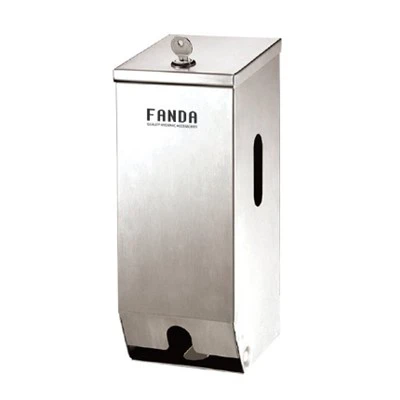
If you’re tired of dealing with stuck jumbo toilet rolls, or if you need a new dispenser that’s built to handle high traffic without the hassle of jams, we’d love to hear from you. We work with all types of businesses—from small local cafes to large office parks and industrial facilities—and we can help you find the right solution for your space. Whether you need a simple walk-through to fix a current jam, or you’re looking to upgrade your restroom supply setup, we’re here to help. Reach out to our team to discuss your procurement needs and find the best jumbo toilet roll dispenser and roll options for your business.
Glove Dispenser References
- American Society for Sanitary Engineering. Commercial Restroom Maintenance Best Practices, 2022.
- Janitorial Supplies Association. Troubleshooting Common Dispensing Equipment Issues, 2021.
- Global Paper Products Association. Jumbo Roll Compatibility Guidelines for Commercial Dispensers, 2023.
- National Facility Management Association. Preventive Maintenance Schedules for High-Traffic Restrooms, 2022.
Fanda Hygiene Co., Ltd.
As one of the most professional jumbo toilet roll paper dispense manufacturers and suppliers, we also support customized service. With a professional production team, we are able to meet the needs of the majority of our customers. Welcome to wholesale bulk jumbo toilet roll paper dispense in stock here and get quotation from our factory.
Address: No.18-25, Changsheng Ln., Sec. 1, Huanzhong Rd., Beitun Dist., Taichung, Taiwan
E-mail: Sales03@fanda.com.tw
WebSite: https://www.fanda-hygiene.com/
