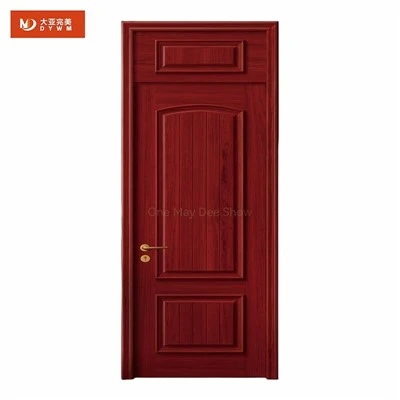
Vacuum formed doors have emerged as a popular choice in various industries, thanks to their versatility, cost – effectiveness, and aesthetic appeal. As a supplier of vacuum formed doors, I often get asked about their durability, particularly how well they can withstand heavy use. In this blog post, I’ll delve into the factors that determine the performance of vacuum formed doors under heavy – usage scenarios and share some insights based on my experience in the industry. Vacuum Formed Door
Understanding Vacuum Forming
Before we discuss the durability of vacuum formed doors, let’s first understand what vacuum forming is. Vacuum forming is a manufacturing process where a sheet of plastic is heated until it becomes pliable. This heated sheet is then placed over a mold, and a vacuum is applied to draw the plastic into the shape of the mold. Once the plastic cools and solidifies, it retains the desired shape, and the door can be trimmed and finished.
The choice of plastic material is a crucial factor in the vacuum forming process. Common materials used for vacuum formed doors include acrylonitrile butadiene styrene (ABS), polycarbonate (PC), and polyethylene (PE). Each material has its own set of properties that influence the door’s performance under heavy use.
Factors Affecting the Durability of Vacuum Formed Doors
Material Selection
- ABS: ABS is a popular choice for vacuum formed doors due to its excellent balance of strength, impact resistance, and cost. It can withstand moderate to heavy impacts without cracking or breaking easily. In high – traffic areas such as commercial kitchens or industrial facilities, ABS vacuum formed doors are often used because they can handle the constant opening and closing, as well as occasional bumps and knocks.
- Polycarbonate: Polycarbonate is known for its exceptional impact resistance. It is often used in applications where the door is likely to be subjected to extreme forces, such as in security or high – stress environments. Polycarbonate vacuum formed doors can resist large impacts from heavy objects, making them ideal for use in areas where there is a risk of collisions.
- Polyethylene: Polyethylene is a lightweight and flexible material. While it may not have the same level of impact resistance as ABS or polycarbonate, it offers good chemical resistance and is often used in applications where the door needs to withstand exposure to various chemicals. In some food processing plants, polyethylene vacuum formed doors are used because they can withstand cleaning agents and food – related substances.
Thickness of the Door
The thickness of the vacuum formed door also plays a significant role in its ability to withstand heavy use. A thicker door generally offers more strength and durability. However, increasing the thickness also increases the cost and weight of the door. As a supplier, we work closely with our customers to determine the optimal thickness based on the specific use case. For example, in a residential setting where the door will be used moderately, a thinner door may be sufficient. But in an industrial environment where the door will face heavy traffic and potential impacts, a thicker door is recommended.
Design and Reinforcement
The design of the vacuum formed door can greatly impact its durability. A well – designed door with proper reinforcement can distribute stress more evenly, reducing the risk of damage. For instance, adding ribs or flanges to the door can increase its stiffness and strength. These reinforcements can be strategically placed in areas that are likely to experience the most stress, such as the edges or the hinges. Additionally, the shape of the door can also affect its performance. A door with a streamlined shape may be less likely to catch on objects or experience wind resistance compared to a door with a more complex design.
Environmental Conditions
The environment in which the vacuum formed door is used also affects its durability. Extreme temperatures, humidity, and exposure to chemicals can all have an impact on the door’s performance. For example, in a hot and humid environment, some plastics may expand or warp over time. On the other hand, exposure to certain chemicals can cause the plastic to degrade or become brittle. As a supplier, we provide guidance to our customers on selecting the appropriate material based on the environmental conditions. For outdoor applications, we may recommend materials that are UV – resistant to prevent fading and degradation caused by sunlight.
Real – World Examples of Vacuum Formed Doors in Heavy – Use Situations
Commercial Kitchens
In commercial kitchens, vacuum formed doors are commonly used on cabinets and storage units. These doors are subjected to heavy use, with constant opening and closing, as well as exposure to heat, moisture, and food spills. ABS vacuum formed doors are a popular choice in this environment because they are easy to clean, resistant to stains, and can withstand the repeated impacts from kitchen staff. The smooth surface of the vacuum formed doors also makes them ideal for maintaining a hygienic environment.
Industrial Facilities
Industrial facilities often require doors that can withstand heavy machinery, forklift traffic, and rough handling. Polycarbonate vacuum formed doors are commonly used in these settings due to their high impact resistance. They can protect equipment and storage areas from accidental collisions and provide a barrier against dust and debris. The durability of these doors ensures that they can operate effectively in harsh industrial environments for an extended period.
Healthcare Facilities
In healthcare facilities, vacuum formed doors are used in patient rooms, laboratories, and medical supply storage areas. These doors need to be cleanable, durable, and resistant to chemicals used for disinfection. Polyethylene vacuum formed doors are often chosen because they can withstand the frequent cleaning and exposure to various medical – grade cleaning agents. Their smooth surface also helps to prevent the growth of bacteria and other pathogens.
Maintaining Vacuum Formed Doors for Long – Term Durability
Proper maintenance is essential to ensure that vacuum formed doors continue to withstand heavy use over time. Here are some tips for maintaining vacuum formed doors:
- Regular Cleaning: Use a mild detergent and a soft cloth to clean the doors regularly. Avoid using abrasive cleaners or scrubbers that can scratch the surface of the plastic.
- Lubrication: If the door has hinges or other moving parts, lubricate them periodically to ensure smooth operation. This can prevent unnecessary wear and tear on the door.
- Inspection: Regularly inspect the doors for any signs of damage, such as cracks, chips, or warping. If any damage is detected, it should be repaired or replaced promptly to prevent further deterioration.
Conclusion
In conclusion, vacuum formed doors can withstand heavy use when the right material is selected, the door is properly designed and reinforced, and it is maintained correctly. As a supplier, we understand the importance of providing high – quality vacuum formed doors that can meet the diverse needs of our customers. Whether it’s for a commercial kitchen, an industrial facility, or a healthcare setting, we have the expertise to recommend the best solution based on the specific requirements.
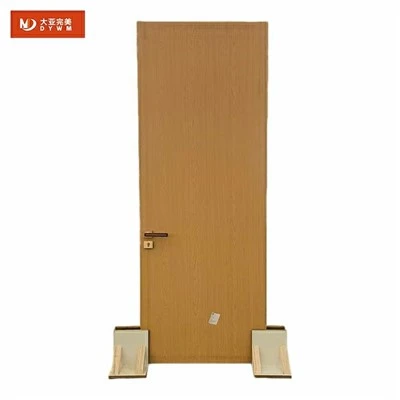
Interior Slab Door If you’re in the market for vacuum formed doors that can withstand heavy use, I encourage you to reach out to me. We can discuss your project in detail and tailor a solution that meets your needs. Don’t hesitate to contact me to start a conversation about your next door – related project.
References
- "Plastics in Industry: A Practical Guide", by John Doe, published in 2020
- "Design and Manufacturing of Vacuum – Formed Products", by Jane Smith, published in 2018
- "Industrial Door Solutions: Durability and Performance", a white paper by the Industrial Door Association
One May Dee Show Furniture Co., Ltd.
As one of the most professional vacuum formed door manufacturers and suppliers in China, we are committed to providing high quality customized service with competitive price. Welcome to wholesale bulk cheap vacuum formed door made in China here from our factory. If you have any enquiry about quotation, please feel free to email us.
Address: Laomiao Village, Dacheng Town, Sanyuan County, Xianyang City, Shaanxi Province, China.
E-mail: trade@omdoor.com
WebSite: https://www.dywmdoor.com/
