As a supplier of the PVC Series, I often get asked a crucial question: "Is the PVC Series chemical – resistant?" This is a topic of great significance, especially for industries that rely on materials capable of withstanding harsh chemical environments. In this blog, I’ll delve into the chemical – resistant properties of the PVC Series, exploring its capabilities, limitations, and real – world applications. PVC Series

Understanding PVC and Its Chemical Structure
Polyvinyl chloride, or PVC, is a widely used thermoplastic polymer. Its chemical structure consists of repeating vinyl chloride units. The carbon – chlorine bond in PVC is relatively strong, which contributes to its inherent stability and resistance to many chemicals. This structure gives PVC a unique set of properties that make it suitable for various applications, from plumbing pipes to industrial linings.
Chemical Resistance of PVC Series
Resistance to Acids
PVC has good resistance to many common acids. For instance, it can withstand dilute hydrochloric acid (HCl) and sulfuric acid (H₂SO₄) at moderate concentrations. In laboratory tests, PVC samples exposed to 10% hydrochloric acid for extended periods showed minimal signs of degradation. This makes PVC an ideal material for acid storage tanks and pipes in chemical processing plants. However, it’s important to note that concentrated acids can have a more severe impact on PVC. For example, concentrated sulfuric acid can react with PVC over time, causing it to soften and lose its structural integrity.
Resistance to Bases
When it comes to bases, PVC also exhibits a certain level of resistance. It can handle weak to moderately strong bases such as sodium hydroxide (NaOH) solutions at low to medium concentrations. In wastewater treatment plants, PVC pipes are often used to transport alkaline wastewater because they can resist the corrosive effects of the basic substances present. But like with acids, highly concentrated bases can pose a challenge. Concentrated sodium hydroxide can cause PVC to become brittle and crack over time.
Resistance to Organic Solvents
The PVC Series has varying degrees of resistance to organic solvents. Some solvents, like alcohols, have a relatively minor effect on PVC. Ethanol, for example, can be in contact with PVC without causing significant damage. However, PVC is not resistant to many chlorinated solvents such as chloroform and carbon tetrachloride. These solvents can dissolve PVC, leading to a complete breakdown of the material. This is an important consideration when choosing PVC for applications where exposure to organic solvents is possible.
Factors Affecting Chemical Resistance
Temperature
Temperature plays a significant role in the chemical resistance of PVC. As the temperature increases, the chemical reactivity of PVC also tends to increase. At higher temperatures, PVC becomes more susceptible to chemical attack. For example, a PVC pipe that can withstand a certain concentration of acid at room temperature may start to degrade when the temperature rises. This is because the increased thermal energy allows the chemical molecules to interact more vigorously with the PVC structure.
Concentration of Chemicals
The concentration of the chemicals in contact with PVC is another crucial factor. Higher concentrations of acids, bases, or solvents are more likely to cause damage to PVC. A low – concentration solution of a chemical may have little effect on PVC, while a high – concentration solution of the same chemical can lead to rapid degradation. This is why it’s essential to carefully assess the chemical environment and choose the appropriate PVC product based on the expected chemical concentrations.
Exposure Time
The length of time that PVC is exposed to chemicals also affects its resistance. Prolonged exposure to chemicals can gradually wear down the PVC, even if the chemical is relatively mild. For example, a PVC lining in a chemical storage tank may be able to withstand a certain chemical for a short period, but over months or years of continuous exposure, the material may start to show signs of deterioration.
Real – World Applications of PVC’s Chemical Resistance
Chemical Storage
One of the most common applications of the PVC Series is in chemical storage. PVC tanks are used to store a variety of chemicals, including acids, bases, and some non – reactive solvents. The chemical resistance of PVC ensures that the stored chemicals do not corrode the tank, preventing leaks and potential environmental hazards. These tanks are often used in laboratories, chemical manufacturing plants, and water treatment facilities.
Plumbing Systems
In plumbing systems, PVC pipes are widely used because of their chemical resistance. They can transport both potable water and wastewater without being affected by the chemicals present in the water. In addition, PVC pipes are resistant to the chemicals used in water treatment, such as chlorine and fluoride. This makes them a reliable choice for both residential and commercial plumbing applications.
Industrial Linings
PVC linings are used in industrial equipment to protect the underlying structures from chemical corrosion. For example, in chemical reactors, PVC linings can prevent the corrosive chemicals from reacting with the metal walls of the reactor. This not only extends the lifespan of the equipment but also ensures the safety of the production process.
Limitations of PVC’s Chemical Resistance
While the PVC Series has many advantages in terms of chemical resistance, it also has its limitations. As mentioned earlier, PVC is not resistant to concentrated acids, highly concentrated bases, and many chlorinated solvents. In addition, PVC may not be suitable for applications where it needs to withstand extreme temperatures and high – pressure chemical environments. In such cases, other materials with higher chemical and thermal resistance may need to be considered.
Conclusion
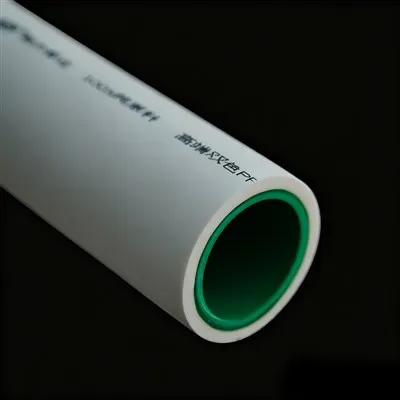
In conclusion, the PVC Series generally has good chemical – resistant properties, making it a popular choice for a wide range of applications. However, its performance depends on various factors such as the type of chemicals, their concentration, temperature, and exposure time. As a supplier of the PVC Series, I understand the importance of providing accurate information to our customers. We can help you select the right PVC product based on your specific chemical environment and application requirements.
PPR Fitting If you are in need of high – quality PVC products for your chemical – related applications, I encourage you to reach out to us for a detailed discussion. Our team of experts is ready to assist you in finding the best solutions for your needs. Whether you are building a new chemical storage facility, upgrading your plumbing system, or looking for industrial linings, we have the right PVC products for you. Let’s start a conversation and explore how our PVC Series can meet your chemical – resistance requirements.
References
- "Polyvinyl Chloride (PVC) Handbook" by William V. Titow
- "Chemical Resistance of Plastics" by Charles A. Harper
- Journal articles on polymer chemistry and material science related to PVC’s chemical resistance.
Hebei Ruijie Pipe Industry Co., Ltd.
Address: Industrial Park, Shaozhuang Township, Suning County, Cangzhou City, Hebei Province
E-mail: 1987870474@qq.com
WebSite: https://www.rjpprpipe.com/
