Hey there! I’m a supplier of leaf springs, and today I wanna chat about how parabolic leaf springs differ from traditional leaf springs. It’s a topic that’s super important in the automotive and heavy – machinery industries, and understanding these differences can help you make the right choice for your needs. Leaf Spring
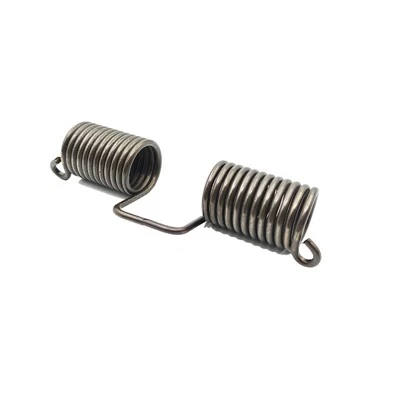
Let’s start with traditional leaf springs. You’ve probably seen these bad boys in old trucks or wagons. They’ve been around for ages, and they’re made up of multiple layers of flat metal strips, also known as leaves. These leaves are stacked on top of each other, with the longest one at the top and the shorter ones below. The idea is that when the vehicle hits a bump, these leaves flex together, absorbing the shock and providing a smoother ride.
One of the big advantages of traditional leaf springs is their simplicity. They’re easy to manufacture and relatively inexpensive. You don’t need a lot of fancy equipment or high – tech materials to make them. That’s why they’ve been used in so many vehicles over the years. They’re also pretty durable. With proper maintenance, they can last a long time, even in tough conditions.
But they’re not without their drawbacks. One major issue is their weight. All those layers of metal add up, and that extra weight can affect the vehicle’s fuel efficiency. Also, traditional leaf springs can be a bit harsh on the ride. When the leaves flex, they can create a lot of friction, which can lead to a bumpier and less comfortable driving experience. And because they’re made up of multiple leaves, there’s more wear and tear between the layers, which means they might need more frequent maintenance.
Now, let’s talk about parabolic leaf springs. These are a newer design compared to traditional leaf springs. Instead of a stack of flat leaves, parabolic leaf springs are made up of one or a few leaves that are tapered in a parabolic shape. This shape gives them some really cool properties.
First off, parabolic leaf springs are much lighter than traditional ones. Since they use fewer leaves and have a more efficient design, they can reduce the overall weight of the vehicle. This is a huge plus for fuel efficiency. With gas prices being what they are, every little bit helps, right?
Another great thing about parabolic leaf springs is the ride quality. Because they have less friction between the leaves (or just one leaf in some cases), they can provide a much smoother ride. They’re better at absorbing shocks and vibrations, which means a more comfortable experience for the driver and passengers. Whether you’re on a long – distance road trip or just driving around town, a smoother ride makes a big difference.
In terms of durability, parabolic leaf springs are also a winner. The tapered design distributes the stress more evenly across the leaf, which means less chance of breakage. And because there’s less friction and wear between the leaves, they generally require less maintenance. You won’t have to worry about constantly checking and adjusting the leaves like you might with traditional leaf springs.
But parabolic leaf springs aren’t all sunshine and rainbows. They are more expensive to manufacture than traditional leaf springs. The precision required to create the parabolic shape means that more advanced manufacturing techniques and equipment are needed. So, if you’re on a tight budget, the cost might be a deterrent.
Another thing to consider is that they might not be suitable for all applications. In some heavy – duty situations, where you need a lot of load – carrying capacity, traditional leaf springs might still be the better choice. Traditional leaf springs can be designed to handle extremely heavy loads, and their multiple – leaf design gives them a bit more flexibility in terms of load distribution.
So, how do you decide which type of leaf spring to go for? Well, it really depends on your specific needs. If you’re looking for better fuel efficiency, a smoother ride, and lower maintenance, parabolic leaf springs are probably the way to go. They’re great for modern vehicles where weight and comfort are important factors.
On the other hand, if you’re working with a tight budget or need to carry extremely heavy loads, traditional leaf springs might be the more practical option. They’ve been tried and tested for decades, and they’re still a reliable choice for many applications.
As a leaf spring supplier, I’ve seen firsthand the benefits and drawbacks of both types of leaf springs. I’ve worked with customers who were initially skeptical about parabolic leaf springs but were won over by their performance. And I’ve also worked with those who needed the tried – and – true reliability of traditional leaf springs.
If you’re in the market for leaf springs, I’d be more than happy to help you make the right decision. Whether you’re a small – scale automotive enthusiast or a large – scale manufacturer, I’ve got the expertise and the products to meet your needs. Just drop me a line, and we can have a chat about your requirements. I’ll do my best to provide you with the best solution at a competitive price.

In conclusion, both parabolic and traditional leaf springs have their place in the market. The key is to understand their differences and choose the one that’s right for your specific situation. Don’t be afraid to ask questions and do your research. And if you need any help or advice, I’m here for you.
Wave Spring References
- Smith, J. (2020). Leaf Spring Technology: A Comprehensive Guide. AutoTech Press.
- Johnson, R. (2021). Advances in Suspension Systems. Mechanic World Publishers.
Shengzhou Deyuxiang Hardware Accessories Co., Ltd.
We are one of the most professional leaf spring manufacturers and suppliers in China, also support customized service. With abundant experience, we warmly welcome you to buy high quality leaf spring made in China here and get pricelist from our factory. For price consultation, contact us.
Address: No. 38, Caosheng Road, Caoqiao Street, Pinghu City, Jiaxing City, Zhejiang Province
E-mail: 877286126@qq.com
WebSite: https://www.dyx-spring.com/
