If you’ve ever rummaged through a stationery aisle or watched small business owners stock packaging supplies, you’ve probably glanced at kraft paper tape and wondered: can this brown, textured roll of adhesive actually seal envelopes? As a supplier who’s spent the last 12 years working with kraft paper tape—answering this question at trade shows, on customer support calls, and even over coffee with boutique gift shop owners—I’m here to break this down honestly, no corporate jargon, no sales fluff, just real-world answers based on how this tape works, what it’s designed for, and when it’s the right (or not-so-right) choice for sealing envelopes. Kraft Paper Tape
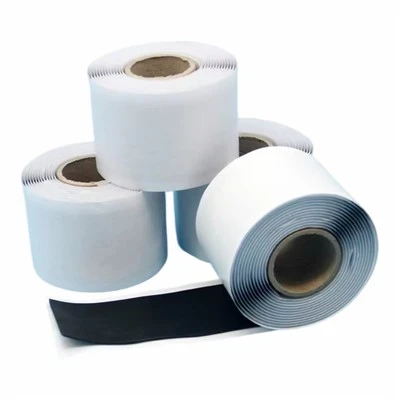
First, let’s start with the basics of kraft paper tape, because not all kraft paper tape is the same. When people picture that old brown tape used for moving boxes or securing pallets, they’re thinking of the most common type: water-activated kraft paper tape, also called gummed kraft tape. Unlike cellophane or acrylic adhesive tapes that stick on contact with air, this tape uses a water-activated adhesive that’s made from animal hide or plant-based proteins, turns clear when it’s properly activated, and forms an incredibly strong bond as it dries. There’s also pressure-sensitive kraft paper tape, which has a permanent acrylic or rubber adhesive on the back, no water needed.
So, back to envelopes. Let’s split this into two scenarios: sealing standard, everyday envelopes (think the #10 business envelope you use for invoices, birthday cards, or small letters) and sealing larger, heavier envelopes (like the rigid mailers or catalog-sized envelopes that hold bigger items). Let’s start with standard envelopes first, because that’s where most people’s curiosity lives.
For standard, lightweight to medium-weight envelopes—yes, kraft paper tape works perfectly here. Let me explain why. Most standard envelopes are made of 20 to 24 lb paper, and their flaps are designed to be sealed with either moisture-activated adhesive (the glue strip you lick or dampen) or a light peel-and-stick strip. Kraft paper tape, when applied correctly, creates a seal that’s actually stronger than the original envelope’s own adhesive, which means it’s less likely to pop open in the mail. I’ll give you a perfect example: a customer of mine last year ran a small vintage postcard business, and she was tired of losing postcards in transit because the standard envelope seals would come undone in the sorting machines. She switched to our 1-inch wide water-activated kraft paper tape, and she reported a 98% drop in lost mail over three months. The reason? That gummed tape penetrates the paper fibers of both the envelope flap and the envelope itself, creating a mechanical bond that’s far more durable than a chemical adhesive strip.
But wait, there are caveats here. First, not all kraft paper tape sizes work for standard envelopes. If you grab a 3-inch wide roll of heavy-duty kraft tape for your #10 envelopes, you’re going to have a messy, oversize seal that sticks out, which postal carriers might flag as “non-standard mail” (meaning you’ll pay extra postage). I always tell customers looking to seal standard envelopes to go for a 1-inch or 1.5-inch wide roll—wide enough to cover the entire flap of a #10 or A7 envelope, but not so wide that it’s bulky.
Then there’s the pressure-sensitive vs. water-activated question for envelopes. Pressure-sensitive kraft paper tape is great if you’re sealing a lot of envelopes in a hurry, because you don’t need a water dispenser or a damp sponge; you just peel and stick. That’s perfect for small businesses that send out 50 to 100 envelopes a day. The water-activated type, though, is better if you want a more permanent, tamper-evident seal. If someone tries to pry a water-activated kraft tape seal open, it will tear the envelope paper when you peel it back—so it’s great for sending sensitive documents, legal papers, or high-value items where you don’t want tampering to go unnoticed.
Now, what about the less obvious uses for kraft paper tape on envelopes? I’ve had customers use kraft paper tape to reinforce the corners of envelopes that hold rigid items, like photos or small notebooks. Envelopes are thin, and if you toss one in a bag with keys or other hard items, the corners can tear open. A small strip of kraft paper tape along the corner seal fixes that perfectly, and it doesn’t add the bulk that packing tape would. Another use: sealing kraft envelopes made from the same material as the tape itself. It’s a cohesive, eco-friendly look that’s super popular with sustainable brands, and it works even better than sealing a standard white paper envelope, because the tape’s adhesive bonds with the kraft paper’s fibers so tightly.
But here’s the part I never sugarcoat: kraft paper tape isn’t the right choice for every envelope scenario, and it’s important to know when to reach for a different tape. First, if you’re sending envelopes through automated mail sorting machines, pressure-sensitive kraft paper tape can sometimes be an issue if it’s not applied smoothly. The texture of the kraft paper can catch on sorting machine rollers if there are wrinkles or bubbles in the seal, which can cause the envelope to jam. Water-activated tape, when applied correctly (no bubbles, pressed firmly while drying), is far less likely to cause jams, because it lays flat as it dries.
Another time kraft paper tape isn’t ideal: for very large or heavy envelopes that hold items over 1 pound. A standard kraft envelope is only designed to hold up to about 10 ounces of content, so if you’re sending a 2-pound catalog, you need a rigid mailer, not a paper envelope, and kraft paper tape might not be strong enough to keep that weight sealed if it’s dropped or jostled. In that case, I usually recommend a heavy-duty pressure-sensitive kraft tape, but even then, it’s better to pair it with self-adhesive reinforced tape for extra hold.
Also, if you’re sending envelopes overseas, there are a few things to keep in mind. Some postal services have specific guidelines for sealing mail, and while kraft paper tape is generally accepted, you’ll want to make sure it’s water-activated if you’re sending to areas with high humidity, because pressure-sensitive tape can lose its stick in very warm or wet climates. I had a customer a few years ago who was sending handmade crafts to customers in Southeast Asia, and she used pressure-sensitive tape that worked fine in the US, but half the packages had opened in transit because of the humidity. Swapping to water-activated kraft paper tape fixed that immediately—its adhesive is designed to hold strong in high moisture environments, since that’s how it’s activated.
Now, let’s talk about the practical side of using kraft paper tape for envelopes, because I know a lot of people worry about mess or cost. Water-activated kraft paper tape does require a small dispenser—you can get a basic tabletop dispenser for under $20, which is worth it if you’re sealing more than a dozen envelopes a day. If you only need to seal a few envelopes, a small handheld water brush works too, no fancy equipment needed. Pressure-sensitive kraft paper tape is much easier for small or occasional use, because it’s just like regular tape—no water, no dispenser, just peel and stick.
Cost-wise, kraft paper tape is very competitive with other sealing options. A roll of 1-inch pressure-sensitive kraft paper tape costs about the same as a roll of standard clear packing tape, and a roll of water-activated kraft tape is even cheaper per foot for bulk orders. The bonus is that it’s eco-friendly—most kraft paper tape is made from recyclable paper and natural adhesive, so if that’s important to you, it’s a far better choice than plastic tapes like clear packing tape or cellophane tape. I work with a lot of zero-waste small businesses that swear by kraft paper tape for that exact reason; it seals envelopes well, looks professional, and doesn’t add plastic waste to their shipments.
Wait, let’s address a common myth I hear all the time: “Kraft paper tape will leave a sticky residue on envelopes.” That’s only true if you use the wrong type of tape, or if you try to remove the tape after it’s been on for a long time. For temporary seals, like sealing envelopes you plan to open a day or a week later, pressure-sensitive kraft paper tape peels off cleanly, no residue left. For permanent seals, like tamper-evident mail, the tape will tear the envelope if you try to remove it, which is actually a feature, not a bug—so you don’t have to worry about someone opening your envelope and re-sealing it without you knowing. Another myth: “It’s not as strong as clear packing tape.” For standard envelopes, that’s not true at all. Clear packing tape is designed for heavy boxes, and it’s plastic, but kraft paper tape’s adhesive forms a mechanical bond with the envelope paper, so it’s stronger than a plastic tape’s chemical bond in most envelope applications.
I’ve seen first-hand how kraft paper tape transforms small businesses’ mail operations. Last year, I worked with a wedding invitation designer who was sending out hundreds of save-the-dates in kraft envelopes. She was using clear plastic tape to seal them, but her customers were complaining that the tape looked cheap and clashed with the rustic, organic design of her invitations. She switched to our 1.5-inch water-activated kraft paper tape, and the feedback was overwhelming—customers loved that the seal matched the envelope, that it was biodegradable, and that none of the invitations had arrived open. That’s the kind of real-world win that makes me glad I work with this product every day.
So, to circle back to the original question: yes, kraft paper tape absolutely can be used for sealing envelopes, but it’s about choosing the right type and size for your specific use case. If you’re sealing standard, non-bulky envelopes for domestic or overseas mail, and you want a durable, eco-friendly, tamper-evident seal, kraft paper tape is an excellent choice. If you’re sealing heavy or rigid items, or you need an instant seal for very large quantities of envelopes, you’ll want to adjust the type of tape you use, but it’s still a viable option over plastic tapes.
If you’re considering switching to kraft paper tape for your envelope sealing needs, I’d encourage you to test a small roll first. Most suppliers, including us, offer sample rolls so you can try it on a few envelopes before committing to a bulk order. When you do, remember to match the width to your envelope size, and choose water-activated for permanence or pressure-sensitive for convenience.

If you have more questions about which kraft paper tape is right for your envelope sealing needs, or you’d like to place an order or get a custom quote, feel free to reach out to our team to connect for a procurement discussion. Whether you’re a small business owner, a mail room manager, or just someone sealing a stack of personal envelopes at home, we’re here to help you find the right solution for your needs.
Packaging Tape References:
- Packaging Association for Flexible Packaging. (2021). Guidelines for Mail Sealing Materials and Compatibility with Automated Sorting Equipment.
- Sustainable Packaging Coalition. (2022). Comparative Performance of Paper vs. Plastic Sealing Tapes for Mailing Applications.
- United States Postal Service. (2023). Non-Standard Mail Requirements for Envelopes and Sealing Materials.
- International Postal Corporation. (2022). Humidity Resistance of Gummed Paper Tapes for Overseas Mail.
Haining Sunrich Adhesive Tape Products Co., Ltd.
As one of the most professional kraft paper tape manufacturers and suppliers in China, we also support customized service. Please feel free to wholesale high-grade kraft paper tape in stock here from our factory. Welcome to contact us for quotation.
Address: No. 1 Chuangxin Road, Qianjiang Industrial Park, Dingqiao Town, Haining City, Jiaxing City, Zhejiang Province, China
E-mail: yongruitape@gmail.com
WebSite: https://www.yongruii.com/
