Hey there, let’s cut through the technical jargon for a sec—if you’re out sourcing fiber optic raceways for your data centers, campus networks, industrial sites, or even those tight little telecom closets, you’ve probably googled this exact question a hundred times: what’s the actual temperature limit for these things to not just work, but work well? Fiber Optic Raceway
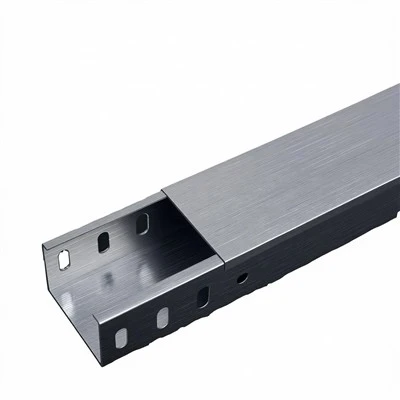
I’m Jake, been selling fiber raceways for almost 12 years now. Most days, I’m on the phone with installers, network admins, and even a few plumbers who stumbled into this line of work and somehow became our go-to guys for weird setups. Let me tell you—half the people I talk to skip checking temperature specs, and then they’re emailing me at 2 a.m. with a meltdown (literally, not just a work one) because their raceways warped or their fiber connections died in the middle of a critical network event.
First off, let’s ground this. I’m not just pulling numbers out of thin air here. Fiber optic raceways aren’t one-size-fits-all. They’re made of different stuff—PVC, steel, aluminum, even those fancy UV-resistant hybrids we started making in 2021—and each material has its own sweet spot. That’s the first mistake most folks make: they grab the cheapest PVC raceway because it fits their budget, then toss it in a 120°F warehouse with no ventilation and wonder why it’s oozing and the fibers inside are kinked.
Let’s break down the common materials first, since that’s where temperature limits start.
PVC is the most popular, hands down. It’s cheap, easy to cut, installs fast—everyone uses it for indoor runs, under desks, in standard telecom closets. But what’s the actual temp sweet spot for PVC raceways? Most off-the-shelf PVC we stock can handle a range from -40°F (that’s cold enough for a Minnesota winter basement that never gets heated) up to 140°F. Wait, hold up—140°F is hot enough to boil a pot of water, right? So if you’re running PVC raceway in an attic in Arizona during July, where temps can hit 150°F up there in the dead of afternoon? That’s a problem. The PVC starts to soften, it can’t hold the fiber bundles tight, and those tiny adhesive strips inside the raceway that keep cables from shifting? They turn gummy, fall off, and your fibers start rubbing against the walls, causing signal loss. And don’t even get me started on cold—if you’re mounting PVC in a walk-in freezer or a unheated loading dock in North Dakota in January, below -20°F, it becomes brittle. Tap it too hard with a screwdriver when you’re fishing cables and it cracks right down the middle. I’ve seen that happen more times than I can count.
But wait—what if you need something for harsher environments? That’s where steel comes in. Most steel raceways we offer are either galvanized (for general industrial use) or powder-coated (for indoor/clean rooms). Galvanized steel’s temp range is way wider: -50°F up to 200°F. That’s perfect for factories where there’s a little extra heat from machinery, or for outdoor runs that get extreme summer heat. Powder-coated steel can hold up to 180°F, though—so you still don’t want it sitting in direct sun for 8 hours a day in 100°F weather, it’ll make the powder peel. Now aluminum—we use aluminum mostly for outdoor aerial runs or heavy-duty industrial sites, it’s light and resists corrosion. Its range? From -60°F to 250°F. That’s wild, right? We installed a batch of aluminum raceways last year for a solar farm in Nevada, where the desert ground hits 220°F in the summer. They’ve been running great, no issues. And don’t sleep on the specialty hybrid stuff—we make a fiberglass-reinforced polymer raceway for extreme industrial and chemical environments, that handles from -80°F to 300°F. Yeah, minus 80. That’s colder than most places on Earth, save for Antarctica. So if you’re working in something like a cryogenics lab? That’s your raceway.
But here’s the thing most installers and network folks don’t know: the raceway’s material isn’t the only temperature limit. The fiber inside matters too. Wait, right—fiber optic cables themselves have their own temp ratings, and if you pick a raceway that handles 200°F but shove in a fiber cable that’s only rated for 120°F, you’re wasting money. Let’s say you have a fiber drop for a small business that’s running at 100°F in a closet, and you use a PVC raceway—no problem. But if you’re running a long-haul outdoor fiber cable that’s rated for up to 180°F, then matching it with a steel raceway that goes to 200°F makes sense. You don’t want to be the person who overheated the fiber because you picked the wrong raceway for the cable inside.
Also, ambient temp matters, not just peak temp. I had a client last year who installed PVC raceway in a data center that had a broken AC unit. The normal ambient temp was 72°F, which is fine, but after the AC went out, it hit 150°F in the closet. The raceway held up for about a week, but then started warping because it was a constant temp, not just a one-time peak. If it was just a short spike, like a few hours during a heatwave, PVC would be okay. But sustained high temp is where you run into issues. Same with cold—if it’s a one-night dip to -30°F, PVC might hold, but if it’s weeks of that? It gets brittle, cracks, and that’s a network outage waiting to happen.
Now, let’s talk about real-world mistakes I’ve seen. One of my earliest clients was a construction company building a industrial warehouse in Texas. They used cheap PVC raceways for all the fiber runs, and then in the first summer, the attic where the main raceway was hit 145°F. The PVC softened so much that it sagged, pulling the fibers tight, and caused a signal loss across the entire warehouse that took 3 days to fix. They had to rip out all the PVC and replace it with galvanized steel, which cost them way more than if they’d just bought the right raceway in the first place. Another one: a telecom company that ran aluminum raceways for a cell tower in Alaska. They didn’t account for the wind chill—wait, no, not wind chill, the actual ambient temp. It got down to -70°F one winter, and the aluminum raceway held, but the fiber cable they used was only rated for -40°F. The fibers inside became brittle, and they had to replace 2 miles of cable. Moral of the story: don’t just check the raceway’s temp rating—check the cable’s too, and factor in environmental conditions.
Wait, also, what about short-term vs long-term temp exposure? That’s a big one. Manufacturers test raceways for both. A lot of off-spec PVC raceways will say they can handle 150°F, but that’s only for a few hours. Long-term sustained exposure to anything over 120°F will start breaking down the PVC’s plasticizers over time, making it brittle and discolored. Same with steel—sustained temps over 180°F will start to weaken the galvanized coating, leading to rust, which gets into the raceway and can damage the fiber connections. Aluminum is more durable, but even it will start to warp if you’re at 250°F for months on end.
So, how do you pick the right raceway for your temp needs? Let’s make this simple, no spreadsheets required:
- Know your average ambient temp, and the extreme peak/low temp your site hits.
- Check both the raceway’s temp rating and the fiber cable’s rating—they need to match, or the lower one is your limit.
- Factor in how long those extreme temps last. A 2-hour summer spike is different than a 3-month Alaskan winter.
- If you’re unsure, just reach out. That’s what I’m here for.
I should also mention that we label every single raceway we sell with its temp rating right on the packaging, no fine print. No hidden clauses that say “only if installed in a climate-controlled closet.” I’ve seen other brands do that—put a temp rating that’s only applicable under perfect lab conditions, not real-world. We don’t do that. Our specs are tested in actual field conditions, not just a lab.
Another thing: if you’re installing raceways in outdoor areas that see direct sun, look for UV-stabilized materials. Regular PVC will degrade in direct sun even if the temp is within its range—UV rays break it down over 6-12 months, turning it yellow and brittle. UV-stabilized PVC or powder-coated steel? They can handle both the temp and the sun. We even stock a UV-resistant hybrid raceway that’s made for outdoor aerial runs, no mounting brackets needed (wait, no, you still need brackets, but it’s designed to last 10+ years in direct sun).
Now, let’s talk about what happens if you go over the temp limit. Like, physically. PVC softens, warps, oozes, and can melt if it gets too hot—we had a client once where a metal pipe above a PVC raceway broke, leaked hot water, and melted the raceway. The fibers inside got cooked, total loss. Steel gets soft, can bend under the weight of the fiber bundles, or rust. Aluminum can warp, causing sharp edges that cut the fiber jacket, leading to signal loss. And cold? As I said, brittleness—cracks, splits, and fibers get exposed. All of these lead to downtime, which costs businesses thousands of dollars an hour. A data center outage is $100k+ an hour, I’ve heard. So spending an extra $0.50 per foot on the right raceway is nothing compared to the cost of an outage.
Wait, I get it—sometimes budgets are tight. That’s why we don’t push the most expensive stuff on every customer. If you’re running a small office closet with normal temps, PVC is totally fine. If you’re in a factory with 160°F ambient temps, we’ll recommend galvanized steel, not the fancy hybrid. If you’re in a cryogenics lab, we’ll point you to our fiberglass hybrid. No hard sells, no bait and switch. I’ve been in this too long to do that—word of mouth is everything in this industry, and I’d rather have a customer come back in 5 years than make a quick buck off a bad sale.
Let me recap the key numbers so you don’t have to go digging through our spec sheets:
- Off-the-shelf PVC: -40°F to 140°F (indoor, normal temps, short spikes only)
- UV-stabilized PVC: -20°F to 150°F (outdoor, direct sun)
- Galvanized steel: -50°F to 200°F (industrial, moderate heat outdoors)
- Powder-coated steel: -30°F to 180°F (indoor clean rooms, light outdoor use)
- Aluminum: -60°F to 250°F (aerial runs, desert industrial sites)
- Fiberglass-reinforced hybrid: -80°F to 300°F (extreme temps, cryogenics, heavy industry)
But remember—this is only for the raceway itself. Your fiber cable’s rating will lower this. So if you’re using a fiber cable rated for -20°F, don’t get a raceway rated for -60°F, because the cable will start to degrade at -20°F.
At the end of the day, temperature limits for fiber raceways aren’t just a spec to check off. They’re the difference between a network that runs smoothly and one that’s a nightmare to maintain. I’ve seen way too many people cut corners here and pay for it later.
If you’re not sure what you need for your site—whether you’re running raceways in a hot warehouse, a cold cell tower, an outdoor campus, or a data center with questionable AC—hit me up. No pressure, no sales pitch. I’ll walk you through exactly what you need, no fine print, no hidden costs. We can send you samples if you want to test them yourself, or answer any random question you have about temperature limits or fiber raceways in general.

Don’t let bad specs turn your fiber runs into a problem. Let’s get this right the first time.
Wire Mesh References:
- TIA-569-C, Telecommunications Pathways and Spaces Standard
- National Electrical Manufacturers Association (NEMA) Standards for Raceway Materials
- Underwriters Laboratories (UL) 651, Standard for Safety for Rigid Non-Metallic Raceways
- Fiber Optic Association (FOA) Field Installer Training Manual: Raceway and Cable Deployment
Hebei Shenyi Metal Products Co., Ltd.
Hebei Shenyi Metal Products Co., Ltd. is one of the most professional fiber optic raceway manufacturers and suppliers in China, featured by quality products and good service. Please rest assured to wholesale durable fiber optic raceway in stock here and get free sample from our factory. Customized orders are welcome.
Address: Gengtun Industrial Zone, Gengtun Village, Xiliangwa Township, Anping County, Hengshui City, Hebei Province
E-mail: HBshenyi@outlook.com
WebSite: https://www.shenyimetal.com/
