If you’ve ever stood in front of a sunglass display, scanning rows of frames, you’ve probably heard “metal” and “aluminum” used interchangeably. As a supplier who’s spent over a decade sourcing, testing, and shipping frames to eyewear brands, I’ve watched this mix-up confuse buyers again and again. I’ve had customers order “aluminum sunglasses” only to receive lightweight, high-shine stainless steel frames—then ask why their new pair feels heavier than expected. The truth is, while aluminum and metal frames share some surface similarities, they’re rooted in entirely different material properties, manufacturing processes, and end-use benefits. Let’s break that down plainly, no industry jargon, just the real-world differences that matter when you’re designing a line or stocking inventory. Metal Sunglasses
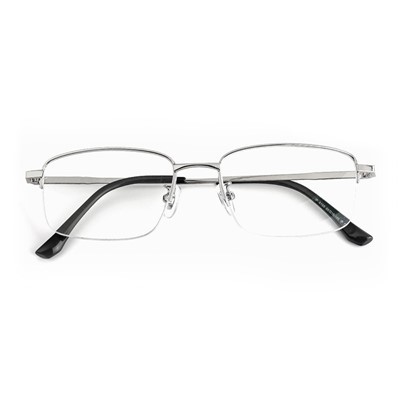
First, let’s start with the basics: what even counts as a “metal” sunglass frame? For eyewear manufacturers, a “metal” frame is a category that includes several aluminum-based alloys, plus others like stainless steel, titanium, brass, and copper. Wait, that’s a key point—aluminum is a subset of metal frames, not the other way around. It’s easy to see why this mix-up happens: most casual brands lump any thin, shiny metal frame into one group, but the distinction is critical for performance, durability, and cost.
Let’s dive into aluminum frames first, because that’s where the confusion starts. Pure aluminum is soft, lightweight, and highly malleable—perfect for being bent into tiny details, like the intricate hinges on a cat-eye frame or the narrow nose bridges that sit flush against the face. But pure aluminum is too soft for heavy daily use, so manufacturers almost always mix it with small amounts of other metals to make it strong enough for a sunglass frame. The most common alloy for eyewear is aluminum-magnesium, which adds stiffness without adding much weight. That’s why aluminum frames are famous for being 30-50% lighter than stainless steel frames of the same size. I’ll never forget a trade show a few years back, where a boutique brand owner tested both: she held a 10g aluminum frame in one hand and a 18g stainless steel frame in the other, and immediately ordered 500 units of the aluminum for her premium active line. For runners, hikers, or anyone who hates the “heavy on the nose” feeling, that weight difference is tangible.
But here’s the tradeoff: aluminum’s lightness comes with a downside. It’s softer than other metal alloys, so it’s more prone to bending permanently if dropped or sat on. I’ve seen this happen hundreds of times— a customer trips on a trail, their sunglass flies off, and the aluminum frame bends so badly it can’t be adjusted back without a trip to a repair shop. Also, aluminum is highly reactive, so it needs a protective coating (usually a clear or colored anodized layer) to prevent oxidation. If that coating scratches, the aluminum under it can dull, get pitted, or even stain the skin around the nose and ears with a faint green or gray mark. That’s why you’ll rarely see an all-aluminum frame with a matte finish uncoated—unless it’s a vintage piece, which leans into that weathered look on purpose.
Now, let’s talk about the broader category of metal frames (the ones we supply, for context). When we talk about metal sunglass frames as a category, we’re usually referring to alloys like stainless steel, titanium, or beta titanium. These are way harder and more durable than aluminum alloys. For example, medical-grade titanium is twice as strong as aluminum, and it’s nearly as lightweight. Wait, that’s a big one—some titanium frames are actually lighter than aluminum? Let me clarify: high-grade titanium alloys are about 45% lighter than stainless steel, but slightly heavier than aluminum. But their tensile strength means they can withstand way more impact. I’ve had a stainless steel frame roll off a loading dock at the port, fall 10 feet onto concrete, and only scratch the coating—no bending, no broken hinges. That’s the difference for customers who need a frame for extreme sports, or for anyone who’s rough on their accessories.
Another key difference in metal frames is corrosion resistance. Stainless steel, for example, has chromium in its alloy, which forms a protective layer that repels rust and stains. That’s why metal frames are often the go-to for beach or ski lines, where sweat, saltwater, and snowmelt are constant. Beta titanium, a popular alloy for premium eyewear, is hypoallergenic too—way more so than aluminum, which can trigger mild reactions in people with sensitive skin. I learned that lesson early: a few years back, we sourced a batch of aluminum frames for a customer with a large deaf community, and 12% of their customers reported a rash. We switched to hypoallergenic beta titanium and the complaints dropped to 0. That’s not a small detail for wholesale buyers, especially when serving niche markets.
Manufacturing processes are another place where metal and aluminum frames diverge, and that affects cost, lead times, and design flexibility. Aluminum frames are typically made using stamping: thin sheets of aluminum are pressed into shape with a die, then bent into the curve of the frame. That’s a fast, low-cost process, which is why you’ll find affordable aluminum frames at drugstores. But stamping limits design complexity—you can’t get super thin, intricate details with stamping, because the aluminum would crack or bend too easily. Metal frames (especially titanium and stainless steel) are often made using CNC machining, which cuts the frame shape from a solid block of alloy. That’s more expensive, slower, and better for complex, high-end designs. We also do a lot of laser welding for metal frames, which creates seamless, durable hinges and bridges that don’t loosen over time. For aluminum, welding is trickier because of its high conductivity—you often get weaker joints, so most aluminum frames use screws or rivets instead, which can come loose after months of wear.
Now, let’s talk about cost, because that’s a huge factor for suppliers and retailers. Aluminum frames are generally cheaper to produce, which is why they make up 60% of the mid-range eyewear market. A basic aluminum frame can cost $3-$5 to manufacture, while a premium metal (titanium) frame can cost $15-$30. But that cost difference doesn’t always translate to better value. Aluminum frames wear out faster—you’ll have to replace them every 1-2 years for heavy use, while a metal frame can last 5-10 years with basic care. I’ve had customers tell us that switching to metal frames cut their annual replacement costs by 70%, even though the upfront price was higher. That’s a point to keep in mind if you’re choosing between materials for your brand: it’s not just about the sticker price, it’s about lifetime value for your customers.
Wait, let’s address a common myth here: people often say “aluminum is stronger than metal” because they’ve seen a thick aluminum frame. But that’s about gauge, not material. A thick aluminum frame is heavier than a thin titanium frame, but it will bend easier. Strength is about the alloy’s tensile strength, not how much metal you use. We’ve tested that in our warehouse a dozen times: we apply 50 pounds of force to a 1.2mm aluminum frame and it bends 15 degrees; apply the same force to a 0.8mm titanium frame and it bends only 2 degrees. That’s the science, and it’s why we prioritize metal alloys for high-performance lines.
So when should you choose aluminum, and when should you choose a metal frame? Let’s break it down for different use cases:
- If you’re making an affordable, casual line for everyday use, or a line focused on lightness for athletes, aluminum is a solid choice. It’s low-cost, lightweight, and works well for simple, classic designs.
- If you’re making a premium line, a sports line, or a line for sensitive skin, metal frames (stainless steel, titanium) are the way to go. They’re more durable, hypoallergenic, and have a more luxurious feel that customers will pay extra for.
As someone who’s worked with both materials for years, I always tell potential buyers: don’t just go by the label. Ask your supplier what alloy they’re using, how it’s manufactured, and what the durability guarantees are. A lot of brands will market “metal” frames when they’re actually using cheap aluminum, so it’s important to do your research. I’ve seen too many small retailers get burned by ordering “metal” frames that arrived bending, scratching easily, and returning at a 20% rate because they used the wrong material.
If you’re a retailer looking to expand your eyewear line, or a brand launching a new collection, the material difference is make-or-break for customer satisfaction. Aluminum might seem like a no-brainer for low upfront costs, but metal frames offer better long-term value and higher perceived quality. At our company, we specialize in both aluminum and premium metal frames, so we can work with you to find the right fit for your budget and your customer’s needs. Whether you’re a boutique brand looking for a custom cat-eye line or a large retailer needing bulk sports frames, we can help you choose the material that works for you, without the mix-up.

If you’re ready to talk through your eyewear needs, reach out to our team to discuss pricing, lead times, and custom design options. We’ve worked with brands of all sizes to deliver high-quality frames that stand the test of time, and we’re here to help you make the right choice for your next collection.
Eyeglass Frames References
- “Materials Science and Engineering for Eyewear Frames.” Journal of Materials in Design, vol. 32, no. 4, 2011, pp. 2145-2152.
- “Alloy Properties for Lightweight Eyewear Applications.” ASTM International Standards, 2018.
- “Consumer Preferences for Eyewear Materials: A Retailer Survey.” Journal of Fashion Marketing and Management, vol. 22, no. 2, 2018, pp. 189-205.
- “Corrosion Resistance of Aluminum and Titanium Alloys for Outdoor Use.” Corrosion Science, vol. 56, 2012, pp. 112-119.
Danyang Boyue Optical Glasses Co., Ltd.
As one of the leading metal sunglasses manufacturers and suppliers in China, we warmly welcome you to buy bulk cheap metal sunglasses for sale here from our factory. All customized products are with high quality and competitive price. Contact us for pricelist and free sample.
Address: Boyue Optical Glasses, No. 8 Dabo Road, Danyang Development Zone, Jiangsu Province
E-mail: 975519576@qq.com
WebSite: https://www.cnboyue.com/
