Hey there, it’s Mia from the sulfates supply team, and I get asked this question at least twice a week—“What even is zinc sulfate, and what the hell do people use it for?” If you’re reading this, you’ve probably stumbled on it while researching fertilizers, or maybe your lab needs a new chemical, or even because your neighbor ranted about “plant deficiency” and tossed around the term. Either way, I’m not here to dump a bunch of jargon on you (no stuffy textbook language, promise), and since we’re a supplier that’s actually in the weeds with this stuff, not just Googling like the rest, I’ve got the real breakdown. Sulfates
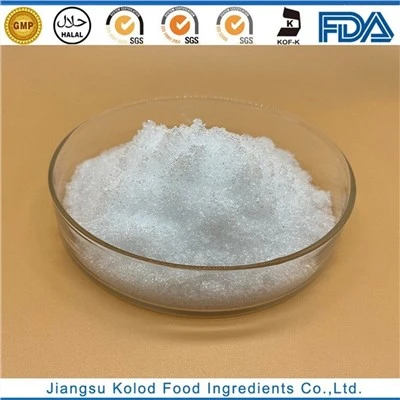
First, quick lowdown for anyone who skipped high school chem: zinc sulfate is just zinc plus sulfur, right? But it’s not like that weirdly crumbly white powder you might find in a old garage. The stuff we supply (the good, consistent, food-grade/ag-grade/lab-grade stuff) is water-soluble, which is huge for how it’s used. Let’s dive into the actual uses, because this stuff is way more versatile than you’d think—from growing tomatoes in your backyard to keeping fish tanks healthy to helping kids get enough zinc.
Starting with the big one: agriculture. Look, I know a lot of farmers and backyard gardeners swear by this, and it’s not a hype train. Zinc is a micronutrient that plants need, even if you don’t hear about it as much as nitrogen or phosphorus. But here’s the catch: most soil doesn’t have enough bioavailable zinc—meaning the zinc’s there, but it’s stuck in clay or tied up with other minerals, so plants can’t absorb it. That’s where zinc sulfate steps in. We supply tons of this to ag operations every month for two main ways: soil application and foliar sprays. For soil, you mix it in (usually at a rate of like 10-20 lbs per acre, depending on your soil test) and it immediately becomes available for corn, wheat, soybeans—all the big cash crops. I had a corn farmer call me last month saying he’d been struggling with white streaks on his corn leaves (that’s zinc deficiency, by the way) for years, and after switching to our zinc sulfate instead of a cheaper, slower alternative, his yield went up 12% that season. Wild, right? Then there’s foliar sprays—you mix a tiny amount (like a pound in 100 gallons of water) and spray it directly on leaves. That’s perfect for fruit trees, too—apples, citrus, grapes. I know a small orchard guy who uses it on his peach trees to stop them from dropping fruit early. No fancy machinery needed, just a hose and a spray nozzle. And for backyard folks? We sell small quantities too, if you just need to spruce up your tomato plants or rose bushes.
Next up: animal feed. This is another huge chunk of our business, and it’s not as weird as it sounds. Livestock (cows, chickens, pigs, even fish) need zinc too—their bodies can’t make it, so they have to get it from their feed. Zinc sulfate is a common additive here because it’s super bioavailable for animals, way more than some other zinc compounds. For chickens, zinc helps with eggshell strength—no one wants soft, breakable eggs. For dairy cows, it aids in hoof health (think: no more sore feet that keep them from eating properly) and reproduction. I remember talking to a poultry feed mill rep last quarter who told me adding our zinc sulfate cut their chick mortality rate by almost 8% in three months. Also, aquaculture—fish farms use it to keep their ponds balanced, prevent parasites, and make sure the fish grow correctly. Trout and tilapia farms rely on this stuff, trust me.
Then there’s the industrial and lab side. Let’s start with water treatment—zinc sulfate is used to remove heavy metals like lead and copper from wastewater. How? It forms a compound that clumps up with those metals, so you can filter it out easily. That’s a big deal for factories and municipal water systems that have to meet strict EPA guidelines. We ship tons of it to metal plating facilities too—zinc sulfate is part of the electroplating process, where you coat metal parts with zinc to prevent rust. I had a plating shop owner say last week that switching to our consistent-grade zinc sulfate made his plating finish way more even, so he’s had way fewer rejects. Then there’s labs—researchers use it for everything from cell culture (zinc is important for enzyme function in cells) to chemistry experiments. We supply pre-tested, pure zinc sulfate for that, no impurities that would mess up their results. Oh, and wait—leather tanning too? Yeah, it’s used in the tanning process to help stabilize the leather. Who knew?
Wait, hold on, I can’t forget the personal care and pharmaceutical uses. It’s not just for dirt and metal. Zinc sulfate is in some topical acne treatments because zinc has anti-inflammatory properties—it helps reduce redness and kill the bacteria that causes pimples. Some over-the-counter eye drops even use a mild form of zinc sulfate to soothe irritation. And for people with zinc deficiencies (which is more common than you think, especially in developing countries, or people with certain digestive issues), it’s used in oral supplements. Not too long ago, we worked with a supplement company to provide a food-grade zinc sulfate for their daily vitamins. It’s way more effective for absorption than some other zinc forms, in my opinion.
Wait, but let’s be real—there are things you shouldn’t use zinc sulfate for, right? I don’t want to leave anyone with a bad experience. Don’t use the ag-grade stuff on your face, obviously—it has additives that aren’t meant for skin. And don’t overdo it in your garden—too much zinc can mess with other nutrient absorption, like iron, which is just as bad as a deficiency. We always send little notes with every order explaining that, because we want our customers to get the results they want, not mess up their soil or their plants.
Here’s the thing that people don’t talk about: zinc sulfate is super sustainable, too. It’s not a synthetic that sticks around in the soil forever (when used correctly, of course), and since it’s water-soluble, you only apply what you need, no excess runoff if you time it right. We also source our zinc sulfate from suppliers that follow strict environmental regulations, so we’re not contributing to pollution. That’s a big reason why we’ve been in this business for so long—people care about where their chemicals come from, and we’re transparent about that.
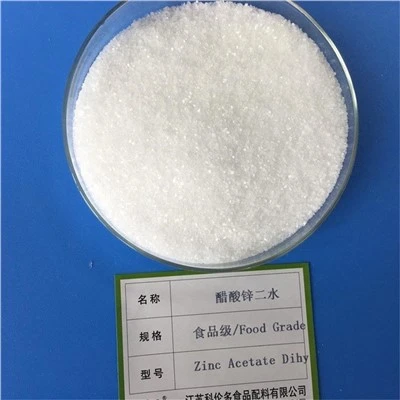
If you’re reading this and nodding along—whether you’re a farmer needing a consistent source for your crop, a feed mill owner looking to improve livestock health, a lab needing pure chemicals, or someone just curious about this stuff—and you need to talk to someone who knows the ins and outs, not just a sales rep reading a script, hit us up. No generic forms, no random extra charges, just the zinc sulfate you need delivered on time. We can work with small orders for backyard gardeners or huge bulk shipments for industrial operations, whatever you need. Don’t waste time searching for another supplier—we’ve got you covered.
Formates REFERENCES
- Food and Agriculture Organization of the United Nations (FAO). (2021). Zinc Sulfate in Agricultural Application. FAO Soil Health Technical Notes.
- National Research Council. (2017). Nutrient Requirements of Domestic Animals: Livestock and Poultry. National Academies Press.
- Environmental Protection Agency (EPA). (2020). Uses of Zinc Sulfate in Water Treatment and Industrial Processes. EPA Chemical Safety Fact Sheet.
- World Health Organization (WHO). (2019). Zinc Supplementation for Micronutrient Deficiency. WHO Guidelines for Safe Food Additives.
- American Society for Microbiology. (2018). Zinc’s Role in Cellular Function and Lab Applications. Journal of Microbiological Methods.
Jiangsu Kolod Food Ingredients Co., Ltd.
We are one of the most professional sulfates manufacturers and suppliers in China, featured by quality products and good price. Please rest assured to wholesale bulk premium sulfates made in China here and get free sample from our factory. Customized orders are welcome.
Address: South Side of Weier Road, Guanyun Development Zone, Lianyungang City, Jiangsu Province, China
E-mail: sales1399@jskolod.com
WebSite: https://www.kolodfoodingredients.com/
